National Cycle Network Upgrade, West Berkshire

The Brief
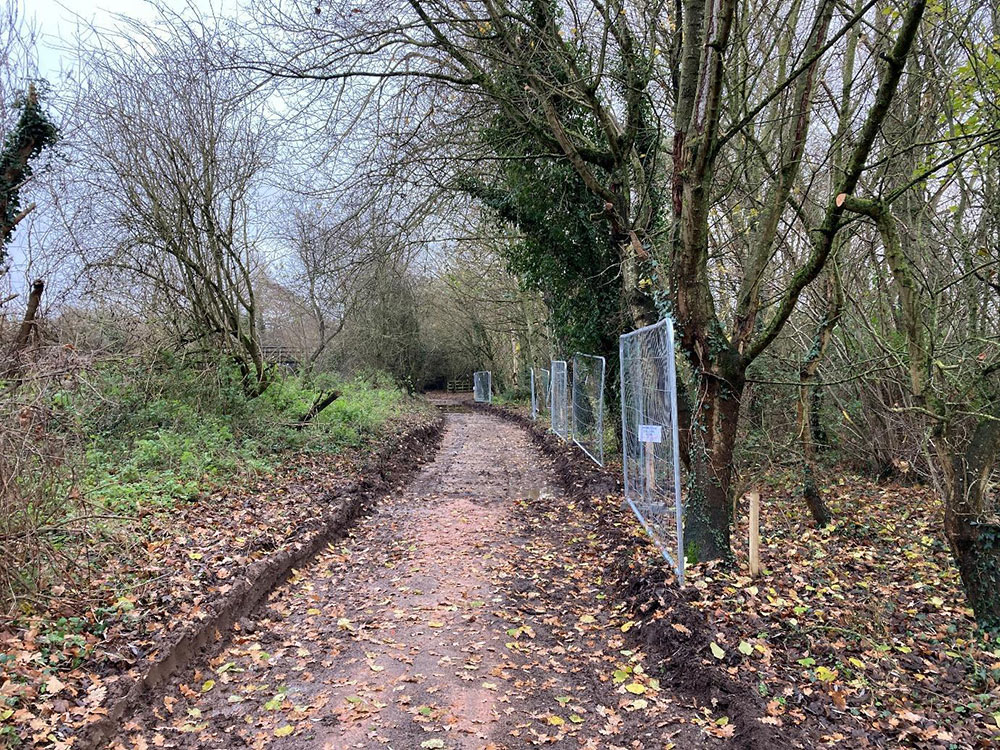
The Walk Wheel Cycle Trust (previously Sustrans) needed to implement cycle path improvement and maintenance works to a 1.5km stretch of the National Cycle Network (NCN) in West Berkshire.
Ecology by Design were commissioned to undertake to undertake a Preliminary Ecological Appraisal (PEA) and further surveys and assessments including:
- Breeding bird surveys
- Reptile surveys
- An aerial inspection of trees for bats
- Hazel dormouse nest tube surveys
- Biodiversity Net Gain (BNG) Assessment
- BNG Offsetting Feasibility Study
- Construction Environment Management Plan (CEMP)
- Ecological Clerk of Work (ECoW) during site clearance.
Work Undertaken
A key consideration of the PEA was the close proximity of the cycle route to Theale Gravel Pits Local Wildlife Site (LWS). Other features of significance included presence of a low population of grass snake, nesting birds including Cetti’s warbler (Cettia cetti), a tree with potential to support roosting bats and invasive Himalayan balsam onsite. A CEMP was produced to avoid impacts on ecological features of significance and ecological supervision provided during vegetation clearance and path reprofiling works to implement and advise on safeguarding measures for protected sites and species.
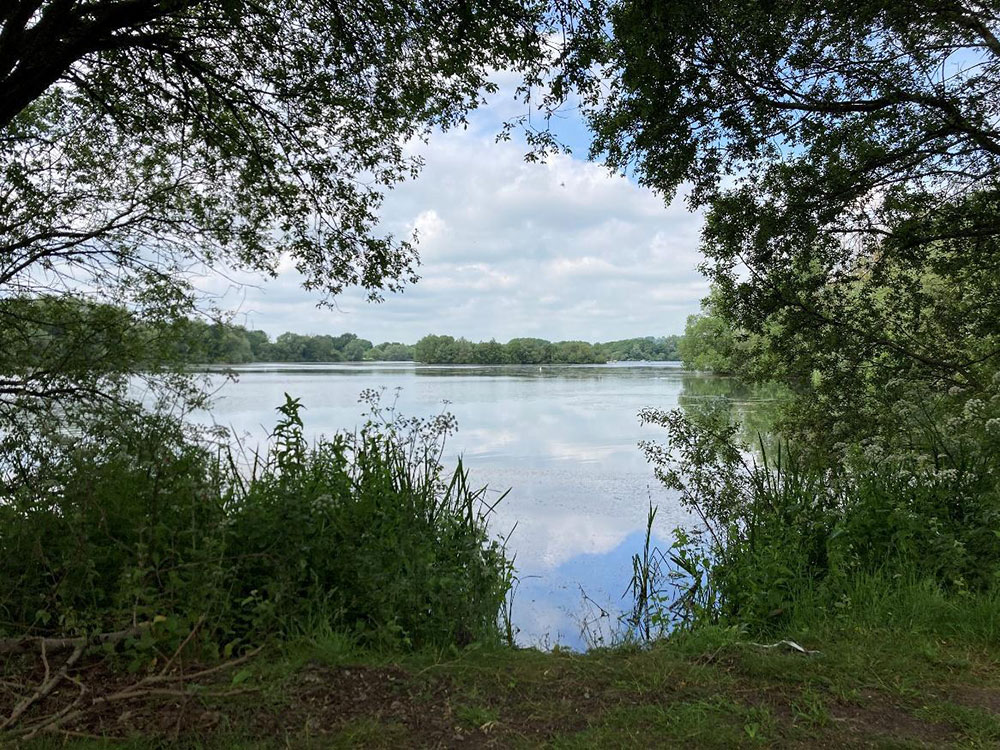
The Biodiversity Net Gain Assessment identified a net loss of -4.28% (-0.47 habitat units) and failed the trading rules due to the small loss of native scrub and woodland habitats. This loss could not be addressed on site due to complexities regarding land ownership, preventing long-term management from being implemented. We recommended off-site habitat creation and identified potential sites within West Berkshire Council’s ownership.
Outcomes
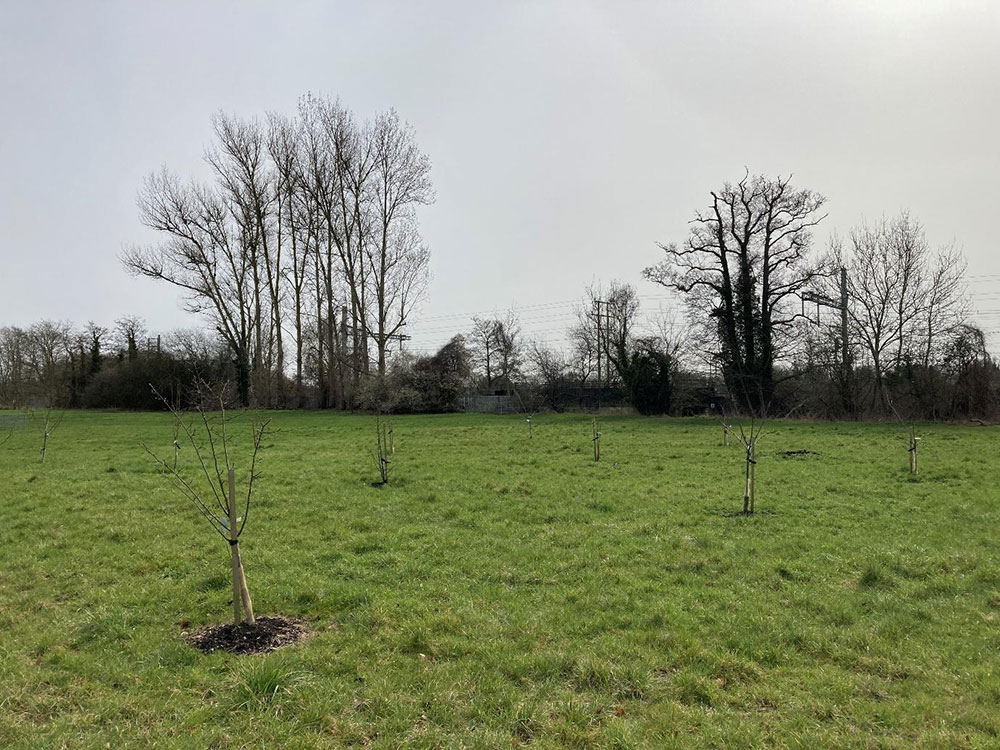
We identified ten potential land parcels within West Berkshire Council’s landownership and assessed the baseline habitat type and condition of each in order to identify a suitable site to deliver the off-site habitat creation and enhancements. The assessment also considered the existing access and use of the sites to ensure habitat creation delivery was feasible and compatible with public open space recreational activities. We selected a site with a community orchard which could be extended and enhanced, which, as a high distinctiveness habitat, could be used to offset the loss of woodland and scrub. This option ensured that the project successfully met its biodiversity net gain requirements whilst also delivering a range of benefits for the local community including opportunities for recreational use, community engagement and benefits to health and wellbeing.