Why We Dedicate a Day Each Year to Testing Our Botanical Skills

Enhancing Our Botanical Skills
At Ecology by Design, we believe that good ecological consultancy starts with good field skills.
Accurate plant identification underpins everything from habitat surveys and condition assessments to protected species work and Biodiversity Net Gain. The more confident an ecologist is in the field, the better informed the decisions they make, and the better the outcomes for our clients and for biodiversity.
That is why we regularly run an internal botanical skills day based on the format of the Field Identification Skills Certificate (FISC). Whilst not everyone needs to undertake the formal assessment, it provides an excellent framework for developing and benchmarking botanical knowledge across the team.
More importantly, it gives everyone the opportunity to continue learning.
What does our “FISC” day entail?
"I know I've seen this before…"
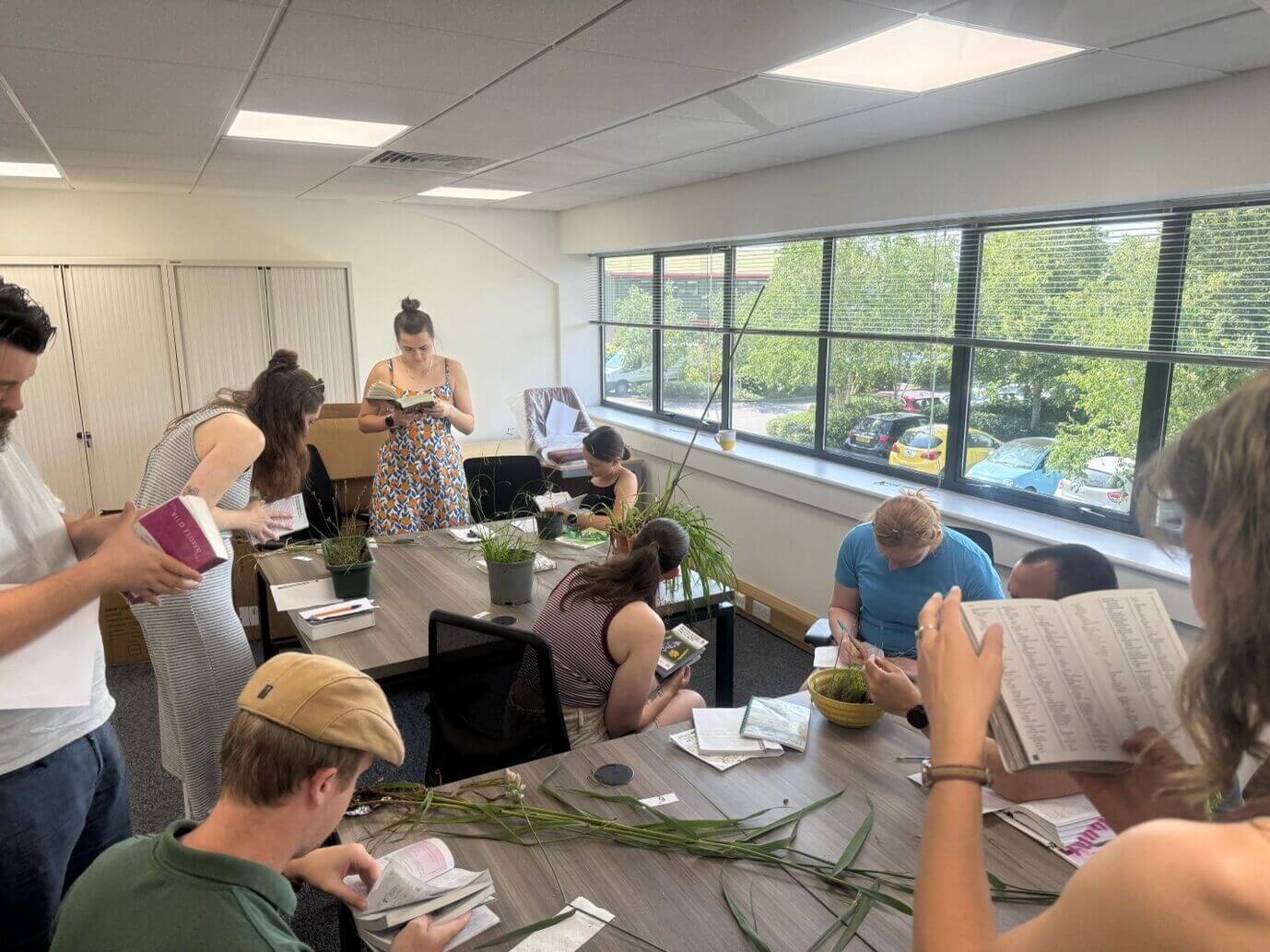
It's a phrase heard countless times during our biennial botanical skills day. Faced with a tray of 30 carefully selected plant specimens, our ecologists work against the clock to identify each one, relying first on their ID skills without books before turning to field guides and keys for the more challenging species.
This year was no exception.
Our first assessment, completed without reference books, included species such as Pendulous Sedge, Wood Melick, Club-rush, Variegated Yellow Archangel, Ivy-leaved Duckweed and White Campion. The second test stepped things up another level, with species including Great Wood-rush, Heath Rush, Hard Fern, Stone Parsley, Great Knapweed, Ploughman's-spikenard, Alder Buckthorn and the vegetative form of False Fox-sedge.
It was a challenging list by any stretch.

One of the misconceptions about ecological consultancy is that once you've gained a degree or a few years of experience, you've learnt the plants you need to know.
The reality is very different.
Every survey season presents opportunities to encounter unfamiliar species, unusual growth forms or plants outside their typical flowering period. Experienced botanists will often tell you that the more they learn, the more they realise there is still to discover and our regular FISC assessments reflect that mindset.
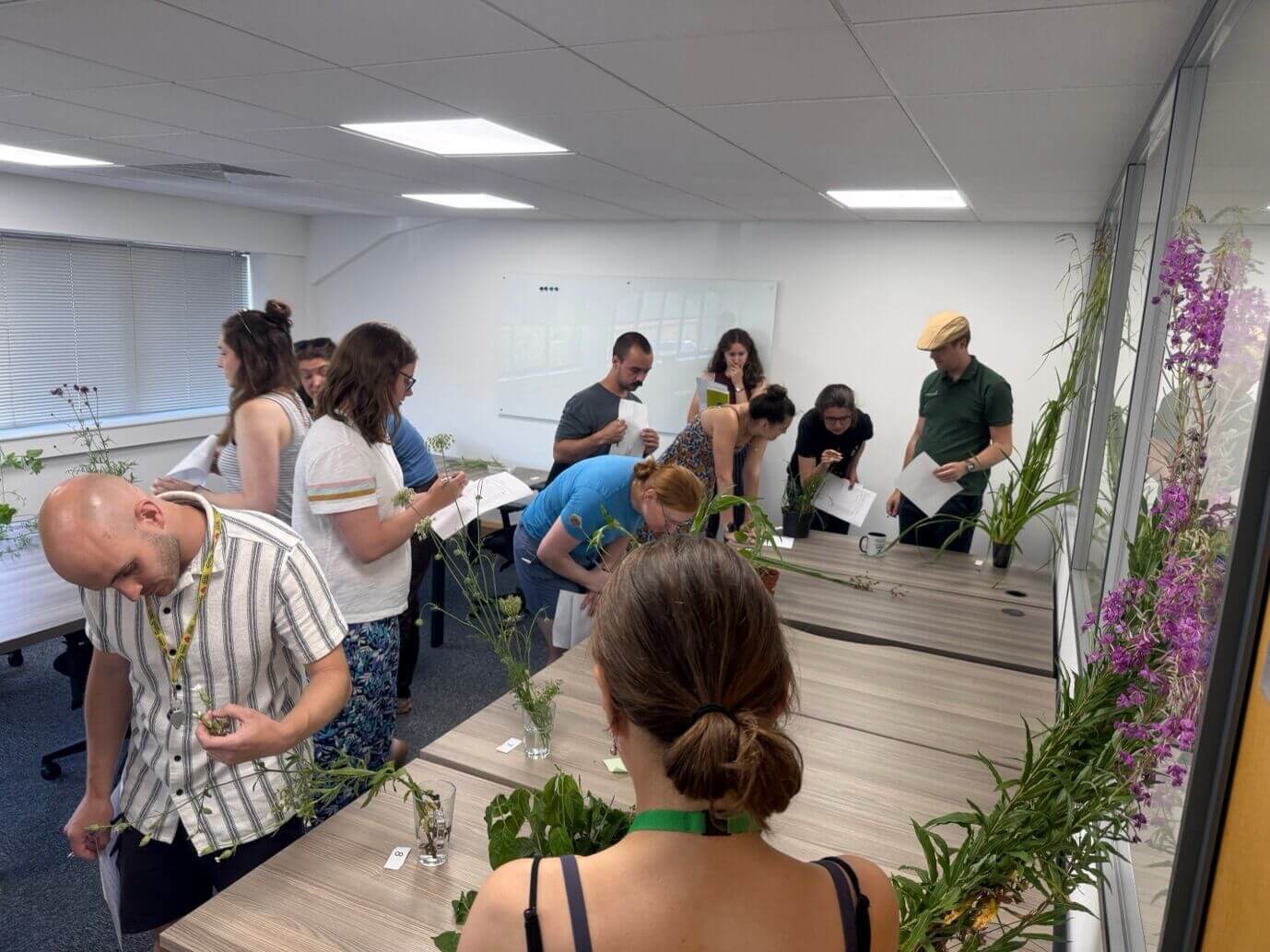
For colleagues who have never experienced a FISC-style assessment, the day removes much of the mystery surrounding the process. They gain first-hand experience of how the assessments work, the level of knowledge expected and the techniques that make identification more reliable under time pressure.
For those who have attended before, it provides something equally valuable: a chance to measure progress. It is incredibly rewarding to recognise species that seemed impossible a year or two ago and to see just how much knowledge has been gained through regular fieldwork.
Learning together
One of the best parts of the day comes after the assessments have finished and the discussions begin.
Why is it Hairy Sedge rather than Wood Sedge? What feature distinguishes Stone Parsley from similar umbellifers? Which characteristic should you look for first when faced with a vegetative sedge?
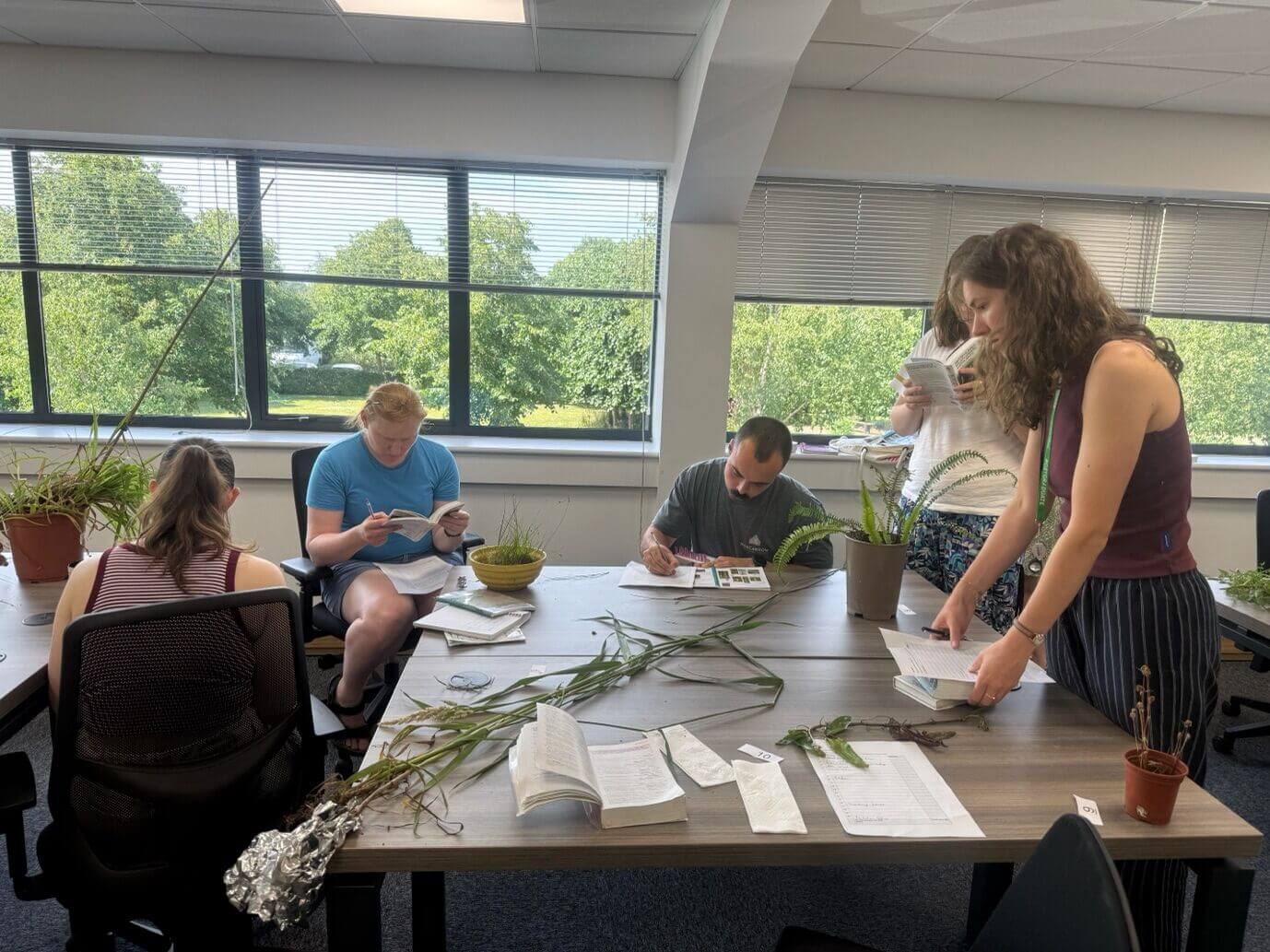
Some of the most valuable learning happens during these conversations, with ecologists at every stage of their careers sharing knowledge and experiences. Even our most experienced botanists enjoy debating the finer points of identification, proving that learning is a continuous process rather than a destination.
Investing in quality
Continuous professional development is often thought of as attending conferences or completing online courses. Whilst these all have their place, we believe some of the best learning happens outdoors, with real specimens, knowledgeable colleagues and a healthy dose of challenge.
Our FISC days are an investment in our people and in the quality of the work we deliver. Strong botanical skills lead to more robust surveys, better ecological advice and greater confidence in the decisions that underpin our projects.
Congratulations to everyone who took part this year. The species may become more challenging each time, but so do the skills of the team tackling them, and that's exactly the point.