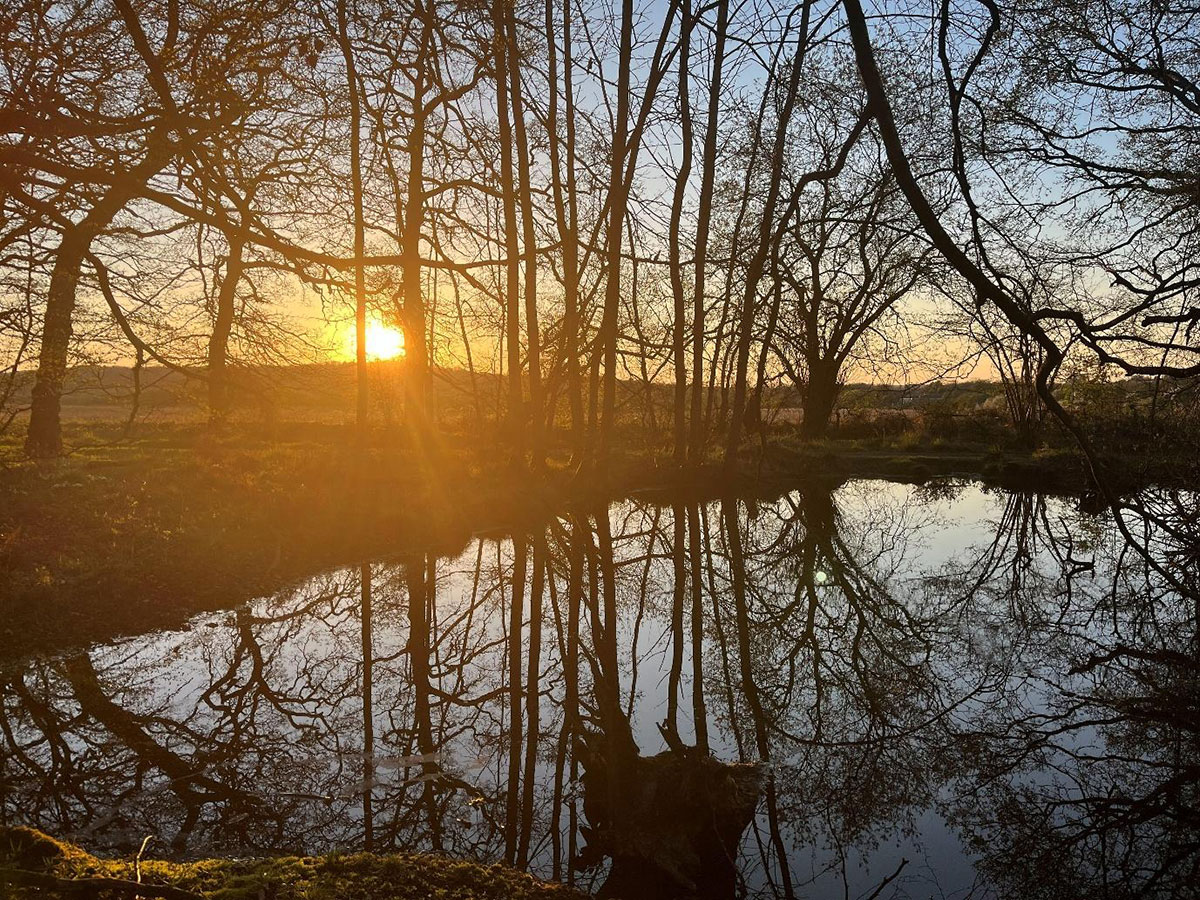
Chieveley Quarry

The Brief
Chieveley Quarry is a proposed mineral extraction site allocated under the West Berkshire Minerals and Waste Local Plan (Policy 31). The plan allows for between 400,000 and 670,000 tonnes of mineral (soft sand) to be extracted from the site.
Even though the site has been allocated, any future planning applications still need to include detailed habitat and ecological assessments. This is to ensure that proposed works do not cause unacceptable impacts to wildlife or biodiversity.
In 2020 and 2024, Ecology by Design were instructed to undertake a suite of surveys including a Preliminary Ecological Appraisal (PEA), further protected species surveys in relation to bats, birds, amphibians, badgers and reptiles, Biodiversity Net Gain (BNG) Assessment, and a shadow Habitats Regulations Assessment (sHRA). The results of the surveys would then be used to inform the Ecological Chapter of an Environmental Statement.
Works Undertaken
The protected species surveys identified the presence of at least six species of bat foraging and commuting within the site, great crested newt presence within 250m of the site, an assemblage of breeding and non-breeding birds of importance at the parish level given the presence of priority species, skylark and marsh tit.
A Habitat Condition Assessment survey identified the baseline habitats present and their biodiversity value to be calculated using the Statutory Biodiversity Metric Tool. Extensive liaison was undertaken between the design team to maximise the post-development biodiversity that could be delivered as part of the restoration process for the site. This included the retention of high value habitats such as native hedgerows and trees, and creation of new habitats including native hedgerows, extending the existing ditch and creation of other neutral grassland margins along field boundaries.
The Biodiversity Net Gain assessment (BNG) using the Statutory Metric identified that the proposals would deliver a net gain of +1.80 hedgerow units (equivalent to +119.75% net gain), +0.02 watercourse units (equivalent to +10.21% net gain) and a -19.84% loss of habitat units (equivalent to -46.93%). While the hedgerow and watercourse units exceeded the 10% gain in biodiversity; due to the clients’ need to restore the site to agriculture, it was not possible to deliver a net gain in habitat units within the site.
As the project lies within 7km of three internationally designated sites of nature conservation – River Lambourn Special Area of Conservation (SAC), Kennet & Lambourn Floodplain SAC, and Kennet Valley Alderwoods SAC – a sHRA was prepared. Our assessment concluded that the proposed extraction at the site would have no adverse effect on the integrity of the above sites, either alone or in combination with other plans and projects.
Project Outcomes
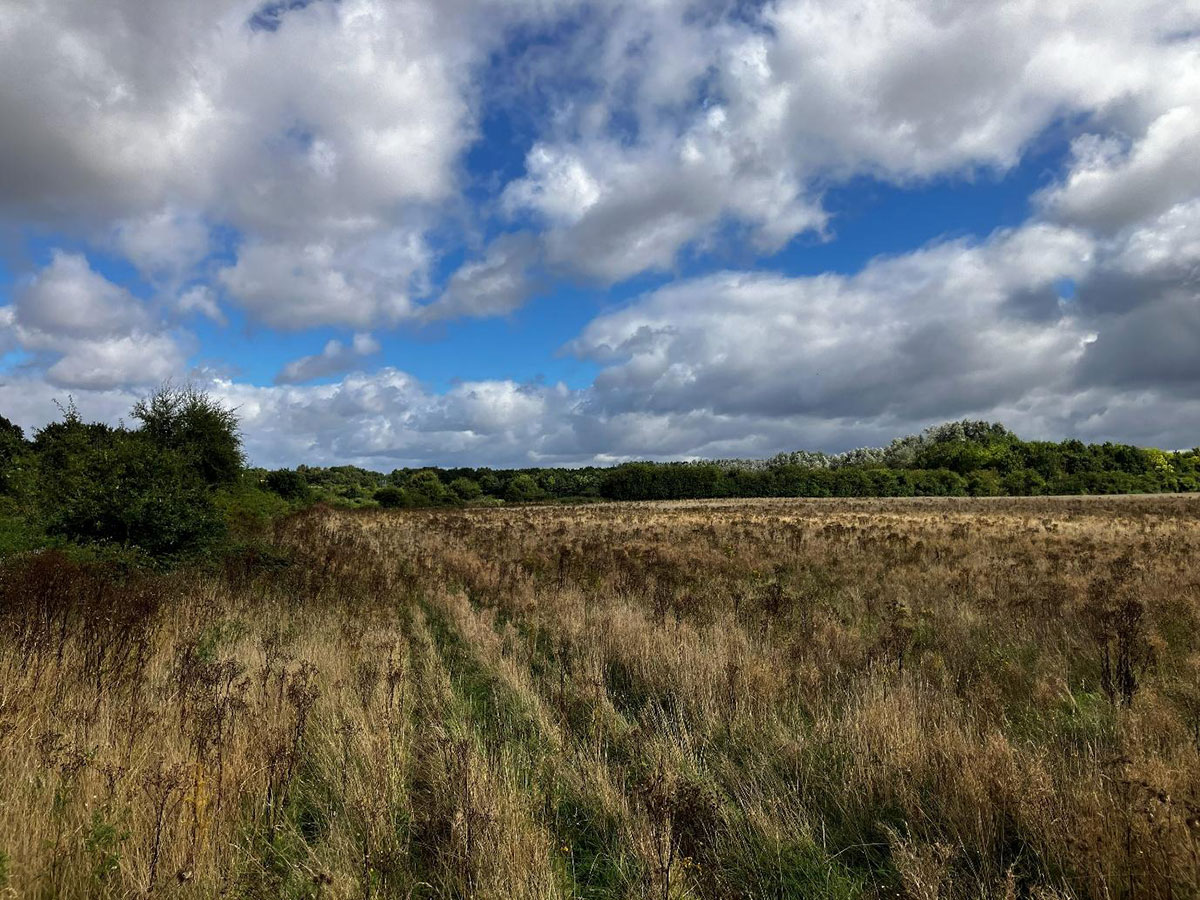
We worked closely with our client to understand their requirements for the site post-extraction and to ensure the restoration strategy delivered both practical and ecological benefits. Following mineral extraction, the primary objective was to restore the site to a functional agricultural landscape combining both arable fields and species rich neutral grassland with new hedgerow planting to strengthen habitat connectivity through the site and beyond to the wider landscape. This integrated approach was designed to support long-term agricultural use but also to strengthen ecological networks to support protected species including bats, birds and amphibians identified during the baseline surveys.
We supported our client to identify suitable land within the wider ownership with a low baseline biodiversity value that could be enhanced to offset the loss of habitat units from the site. By combining this offsite biodiversity offsetting with the biodiversity to be delivered on-site, the project achieved a total net gain of +4.25 habitat units, equating to +10.04% increase overall.
We prepared a mitigation strategy to safeguard the ecological features associated with the site recommending measures to include a sensitive lighting strategy in relation to bats within the site, obtaining a District Level Licence for great crested newt, and sensitively timed works to align with protected species’ active seasons.
Our extensive ecological work informed the Ecological Impact Assessment which formed part of the Environmental Statement to be submitted to West Berkshire Council for planning permission in 2026. The robust programme of survey and assessment, underpinned by close collaboration with the client and wider project team, ensured that the project outcomes were both achievable and fully compliant with relevant legislation. Ecology by Design’s approach maintained high standards of ecological protection while securing lasting and measurable benefits for biodiversity.