Heritage Asset Restoration on a Grade I Listed Estate

In late 2024, we were appointed to provide ecological oversight for the restoration of a Grade I listed building within a private estate in Shropshire. The building supports locally important bat roosts, requiring careful, informed management throughout the restoration process.
The project was at a critical stage when we joined, with works paused and a clear need for coordinated ecological leadership to support progress. Our role was to bring clarity, confidence and structure to the ecological aspects of the scheme, allowing the wider project team to move forward with assurance.
Our approach
Our initial priority was to establish a clear, trusted framework for ecological decision-making. We worked closely with the client, project managers, contractors, estate staff and Natural England to ensure that everyone understood the ecological constraints at the site in practical, operational terms and how these could be managed within the construction programme.
Targeted surveys were completed to confirm the ecological baseline, verifying continued use of the building by a brown long-eared bat maternity roost and identifying the presence of a lesser horseshoe bat maternity roost. This information allowed us to develop a robust, proportionate ecological strategy that reflected both the sensitivity of the site and the realities of delivering a complex heritage restoration.
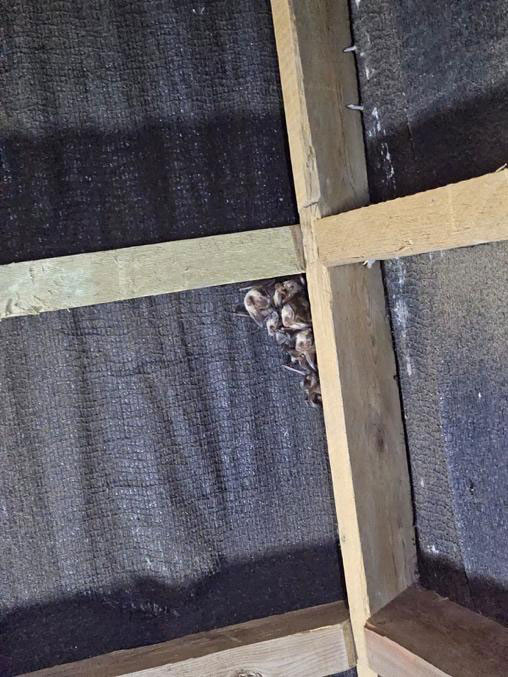
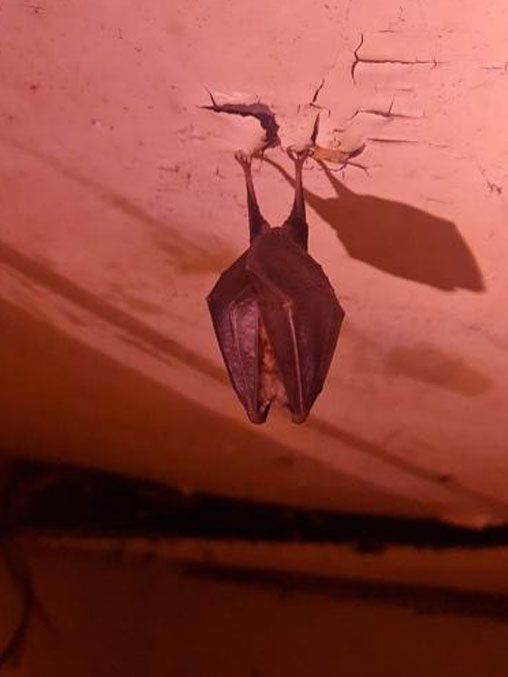
A revised and carefully sequenced construction programme was produced, aligned with the bat maternity season and licensing requirements. This enabled:
- the most sensitive works to be completed outside the maternity season;
- less sensitive activities to continue through the summer months; and
- essential weatherproofing works to proceed where necessary, supported by close collaboration between ecologists, structural engineers and contractors.
Outcomes and value delivered
By working directly with specialist contractors, including stonemasons and roofers, we helped design and implement bat-sensitive construction methods and bespoke roosting features that were practical, durable and fully integrated into the restoration works.
For the client and project team, this approach removed uncertainty, reduced risk and allowed the focus to return to delivering the high-quality restoration of a nationally important building. Ecology became a managed and understood element of the project, rather than a barrier to progress.
The next steps
Long-term mitigation and enhancement measures are now being taken forward, including plans for a dedicated lesser horseshoe bat roost structure. Additional roosting features installed across the site are already in use, reinforcing the long-term conservation value of the estate and demonstrating how sensitive heritage restoration can deliver lasting ecological benefits.


