Bats are taking a winter break. Here's why you shouldn't.

As the nights draw in and temperatures drop, Britain's bats are changing gear. For many species, winter means reducing activity, conserving energy and finding somewhere suitably sheltered to spend the colder months.
So, naturally, this is when you might expect bat ecologists to put their feet up too.
Actually, quite the opposite.
Winter can be an important time for bat surveys, particularly when we're assessing buildings, tunnels, bridges and other structures that could provide hibernation habitat.
And if you're planning a development for 2027, now could be a very good time to start thinking about bats.
But aren't bats asleep in winter?
Sort of.
Hibernation isn't simply a case of finding somewhere to hide in October and staying there until spring. Bats periodically arouse from torpor (a deep sleep), and some species can move between roosts as conditions change. Temperature, humidity, food availability and the characteristics of individual sites can all influence how bats use hibernation sites.
Some of the more traditional hibernation sites are underground, including tunnels, caves, mines and cellars, where cool (c. 7-11°C), stable and humid conditions can be ideal. But bats can also use above-ground structures, including buildings, bridges and other features that provide suitable cracks, crevices and voids.
And that means that a building that looks completely quiet and bat-free in winter may still be providing important habitat.
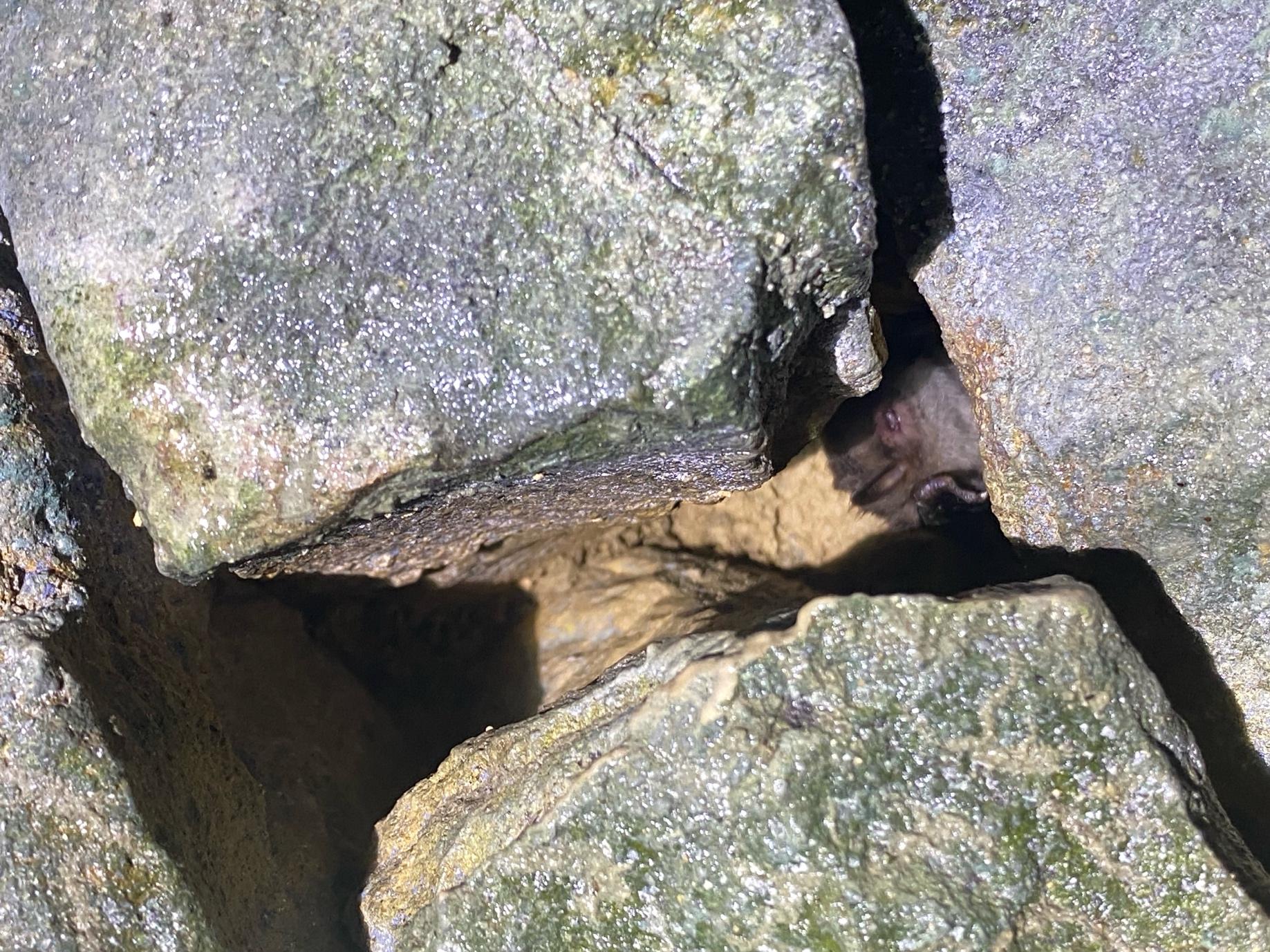
So, what is a hibernation survey?
A winter hibernation survey is a detailed inspection of a structure during the winter months to look for hibernating bats and other evidence of bat occupation. It's not just a case of walking into a building and having a quick look around.
Potential roosting features are inspected systematically, including cracks, crevices and voids. Surveyors may use torches, mirrors and endoscopes to look into places where bats can tuck themselves away. This is particularly important because many species can crawl deep into crevices and may be extremely difficult to see.
Bat detectors are deployed to remotely monitor bat activity, recording them flying in the periods they’re awake. Also temperature and humidity loggers are installed to see how suitable the structure is for them. Where a bat cannot be identified visually or acoustically, additional techniques such as DNA analysis may help.
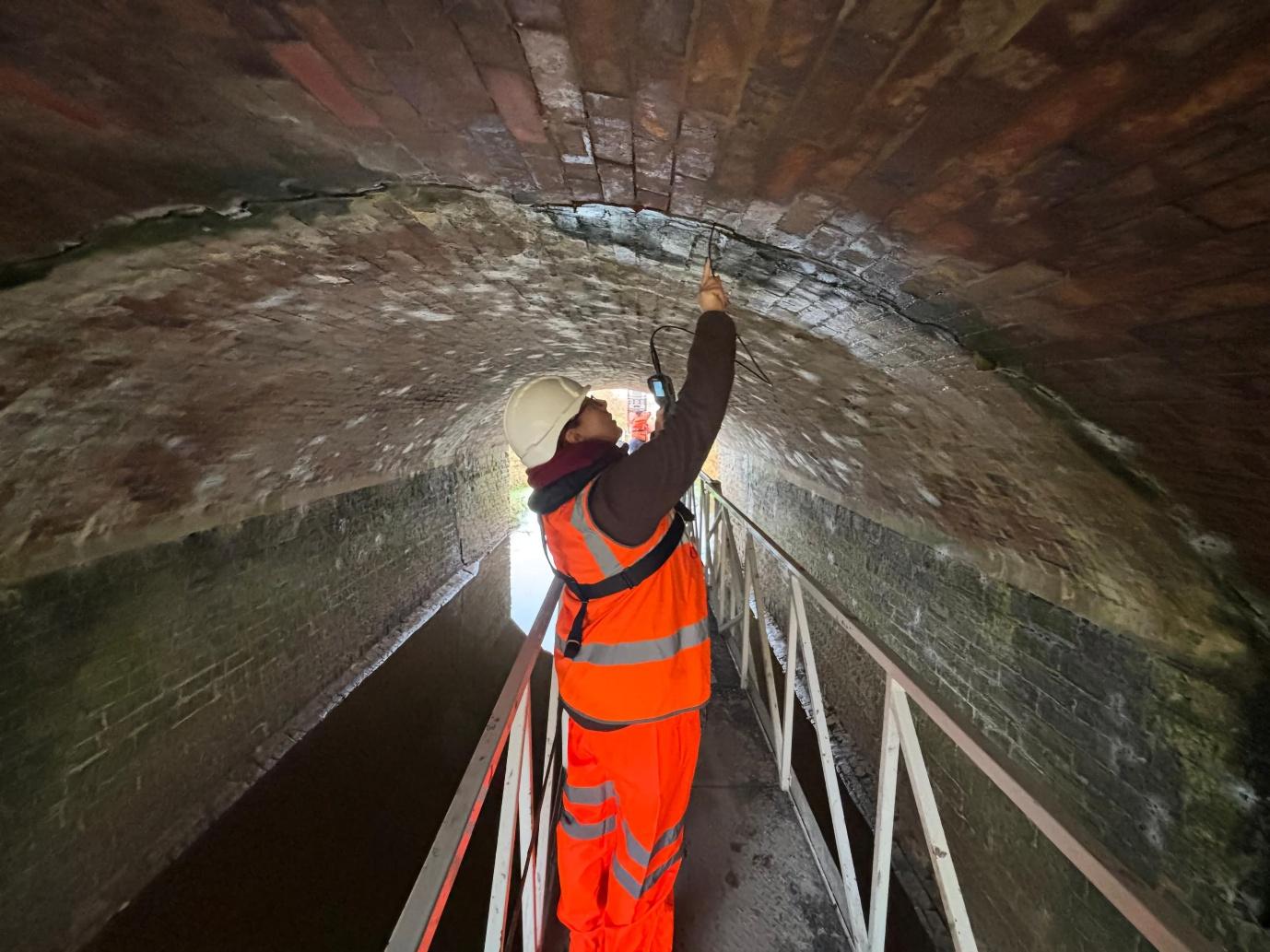
Why does a winter survey matter for planning?
A Preliminary Roost Assessment or daytime inspection can tell us a lot about whether a building or structure has potential for bats. Where moderate or high suitability for hibernation is identified, and the proposed works could affect that habitat, a winter hibernation survey may be an important part of understanding the site.
In some situations, a winter survey can provide information that simply isn't available at other times of year.
For example, in underground sites, a Preliminary Roost Assessment can identify potential for winter use and look for signs of bats, but winter hibernation surveys are needed to provide information on the numbers of bats actually using the site during hibernation.
That information can be important when assessing the value of a roost and determining the potential effects of proposed works.
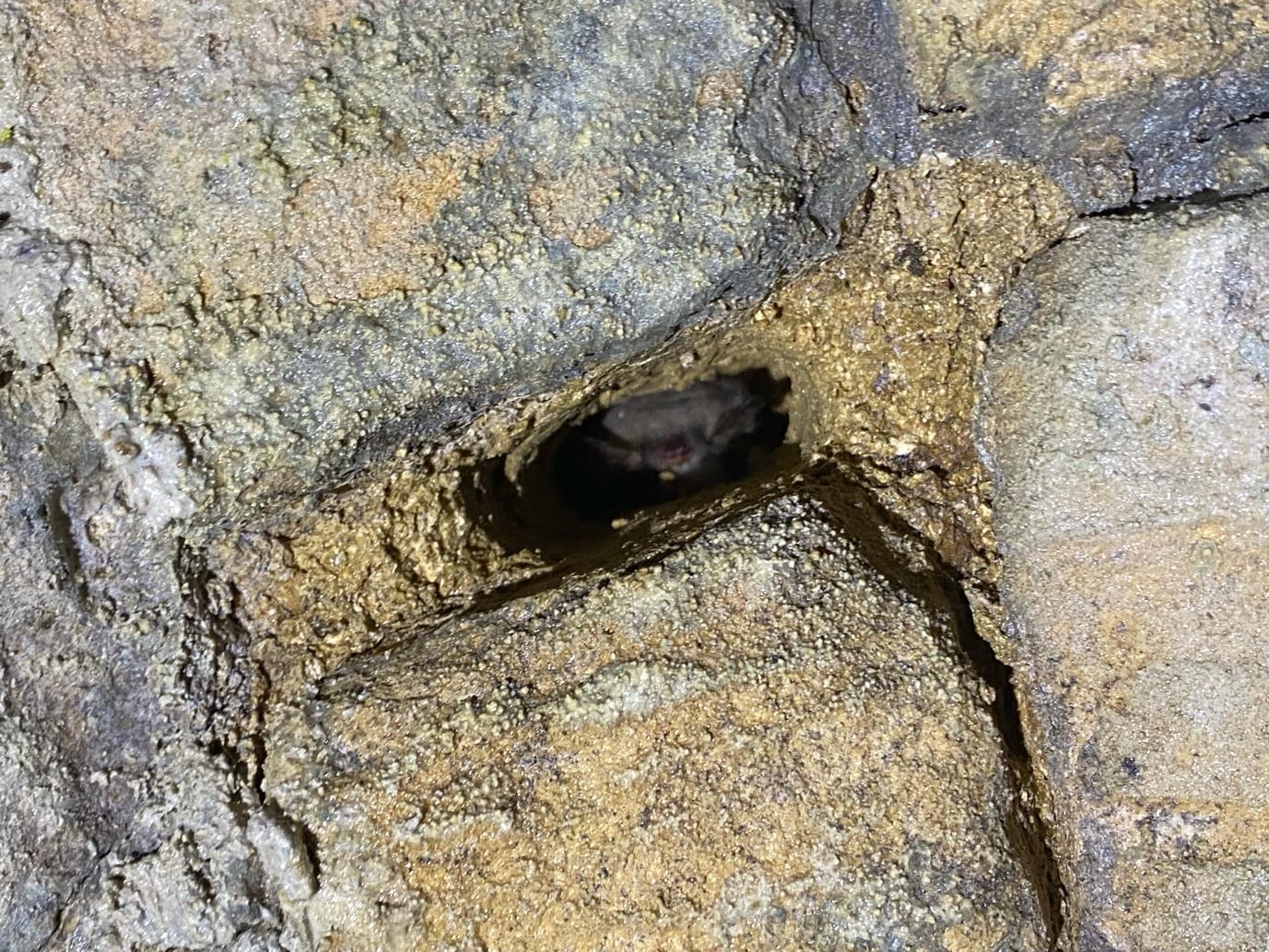
It's not always just about caves and tunnels
When people think about hibernating bats, they might picture a cave full of bats hanging from the ceiling. Sometimes that's exactly what wee find. But hibernation habitat can be much less obvious.
Void-dwelling species such as brown long-eared bats and serotines can linger in buildings during winter without necessarily being visible to a surveyor. Pipistrelles can also use exposed or thermally unstable locations and may move between different roosts as conditions change.
Some structures can even support surprisingly large numbers of hibernating bats. The BCT guidelines highlight examples of mass hibernation in buildings, including common pipistrelles using stone crevices and architectural features.
So that old building, tunnel, bridge or other structure on your development site might be doing rather more for bats than you think.
When do hibernation surveys happen?
The hibernation period is generally considered to run from November to March, although the exact timing varies depending on location, weather, species and the conditions offered by the site.
Peak numbers at important hibernation sites are generally recorded during the coldest months, particularly January and February, although December can also be important.
This is one reason why planning ahead matters.
If a site needs winter hibernation surveys, where the aim is to assess the numbers of bats using a site, the BCT (Bat Conservation Trust) guidelines recommend, as a general approach, two visits approximately four weeks apart during these coldest months. The exact approach needs to reflect the site, the survey objectives, the species involved and the nature and timing of the proposed works.
Potential horseshoe bat hibernation sites may require additional survey effort, with consideration given to an earlier visit in late October or November.
And where an important site is likely to be affected, surveys over more than one winter may sometimes be needed because bat numbers can vary considerably between years.
Can anyone do it?
No. Hibernating bats are a legally protected species and are vulnerable to disturbance. Entering a hibernation site, increasing noise, light or heat, can cause them to arouse from torpor. Arousal uses valuable energy reserves, so survey visits need to be carefully designed by a licensed surveyor and kept to the minimum necessary to answer the ecological questions.
At Ecology by Design, our bat team regularly deals with the practical realities of surveying buildings and structures, from inaccessible voids and tricky roost features to the additional considerations associated with tunnels and other complex sites.
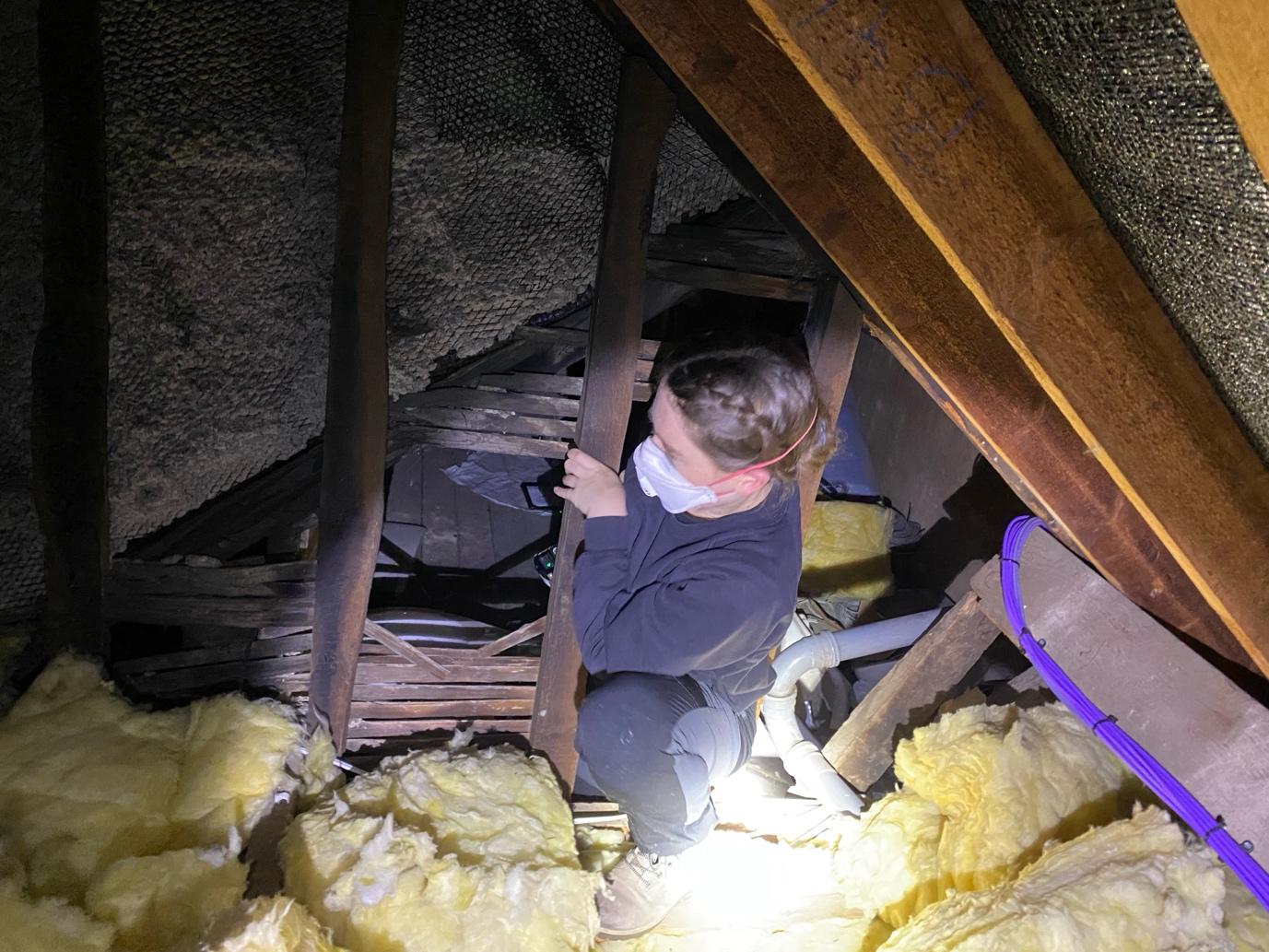
Planning a project for 2027?
If you're planning to demolish, convert, refurbish or alter a building or structure, now is a good time to talk to us about bats.
We'll help you work out what needs to be surveyed, when it needs to happen and how it can be integrated into your project, so that bats are considered properly without creating unnecessary delays.
So while the bats are taking their winter break, don't put your project on hold. Get the process started early, and know what you’re dealing with from the outset.
Contact us at


