Raising The Standard Of Visitor Surveys: A Multi-method Approach To Assessing Recreational Impacts

Introduction
Visitor surveys are a cornerstone of ecological assessment where recreational pressure has the potential to affect designated sites. They are particularly important when developments such as residential schemes, minerals extraction or tourism infrastructure are proposed within the zone of influence of sensitive receptors, for example Special Protection Areas (SPAs) designated for ground-nesting birds or Special Areas of Conservation (SACs) supporting vulnerable habitats.
Traditionally, visitor surveys have relied heavily on in-person questionnaires conducted over a limited number of survey days. While these approaches have value, they often provide only a snapshot of site use and can struggle to capture spatial patterns, temporal variation or longer-term trends. As pressures on designated sites increase and scrutiny of recreational impact assessments intensifies, there is a clear need to raise the standard of visitor surveys and adopt more robust, evidence-led approaches.
This article sets out a multi-faceted methodology for visitor assessment that integrates traditional survey techniques with emerging technologies and long-term monitoring tools. Used proportionately and tailored to site-specific constraints, this approach provides a more comprehensive understanding of recreational use and supports both impact assessment and post-development monitoring.
The role of visitor surveys in recreational impact assessment
Visitor surveys are typically used to inform:
- Baseline understanding of recreational use and access patterns
- Identification of potential impact pathways (e.g. disturbance, trampling, erosion)
- Assessment of recreational displacement arising from development
- The design and justification of mitigation measures
- Long-term monitoring and evaluation of mitigation effectiveness
Where designated sites are involved, particularly European sites, the robustness of visitor data can be critical to Habitats Regulations Assessments and Appropriate Assessments. In this context, surveys must be defensible, repeatable and proportionate to risk.
Limitations of traditional survey approaches
In-person questionnaires remain a valuable tool, but when used in isolation they have inherent limitations, including:
- Temporal bias (e.g. fair-weather or weekend sampling)
- Limited sample sizes
- Under-representation of certain user groups (e.g. cyclists, dog walkers outside peak hours)
- Reliance on self-reported behaviour
- Difficulty capturing spatial patterns of use across large or complex sites
These limitations can result in an incomplete understanding of recreational pressure, particularly where use varies seasonally, diurnally or across multiple access points.
A multi-method approach to visitor assessment
To address these challenges, a combined methodology can be adopted, integrating multiple data sources to build a fuller picture of site use. Key components of this approach are outlined below.
1. Beam counters at access points
Infrared or thermal beam counters can be installed at primary access points to record frequency and patterns of use over extended periods. Where appropriately specified and calibrated, counters can:
- Provide continuous data across seasons and weather conditions
- Identify peak usage times and days
- Differentiate between user types (e.g. pedestrians, cyclists, equestrians)
- Generate repeatable datasets suitable for long-term monitoring
These datasets provide cost-effective sampling which is particularly valuable for establishing robust baselines and for post-development comparison.
2. Digital activity data (e.g. Strava heat maps)
Aggregated activity data from platforms such as Strava can be used to understand historic and current patterns of recreational use, particularly for cyclists and runners. While not representative of all users, such datasets can:
- Identify popular routes and desire lines
- Highlight spatial patterns across large areas
- Provide insight into trends over time
When interpreted cautiously and in combination with other data sources, heat maps offer a useful contextual layer for recreational assessment.
3. Visual monitoring using cameras
Motion-triggered cameras can be deployed to record patterns of use at key locations, provided this is undertaken in a manner fully compliant with GDPR and data protection legislation. Used appropriately, cameras can:
- Validate beam counter data
- Help classify user types
- Provide insight into group size and behaviour
Clear signage, data minimisation and robust data management protocols are essential to ensure compliance and maintain public trust.
4. Remote and hybrid survey techniques
Remote engagement methods can significantly expand survey reach and reduce reliance on short, intensive field campaigns. These may include:
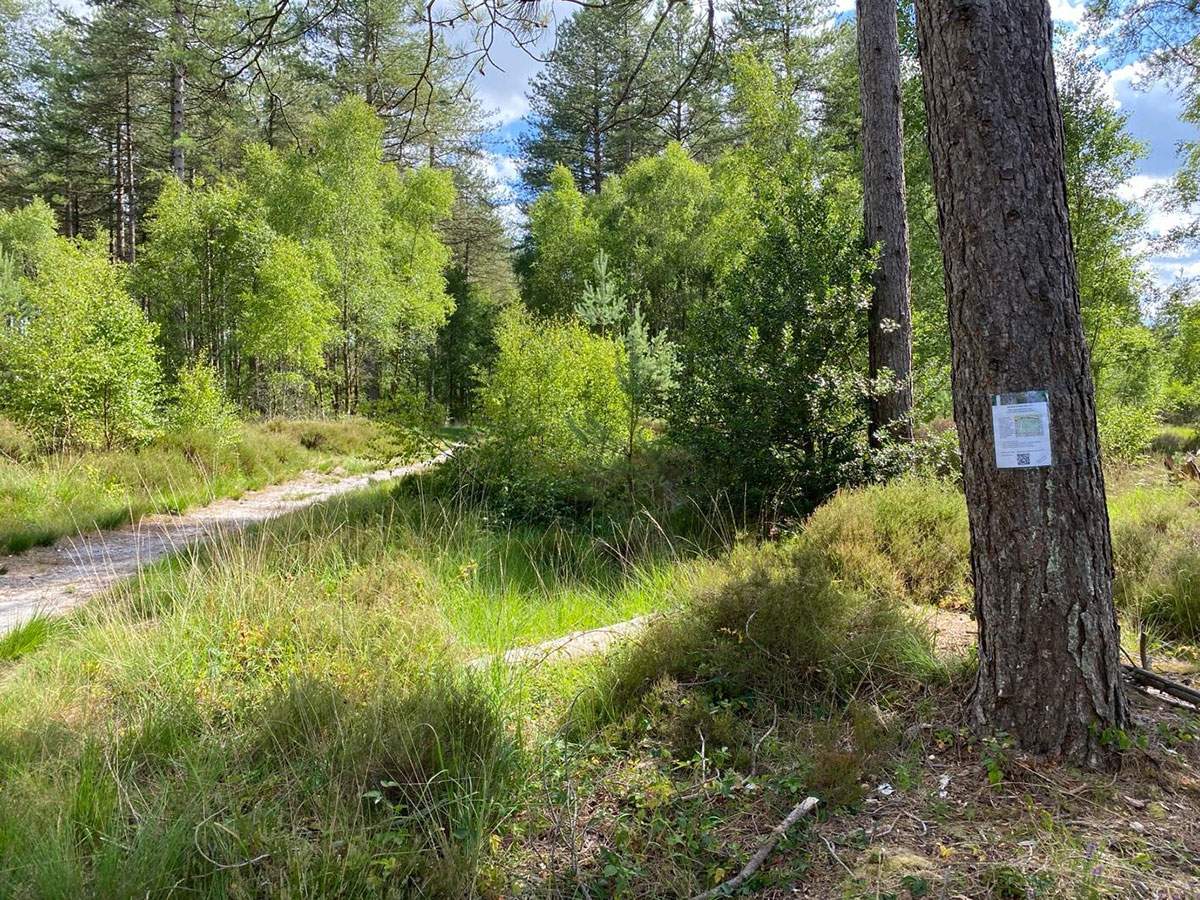
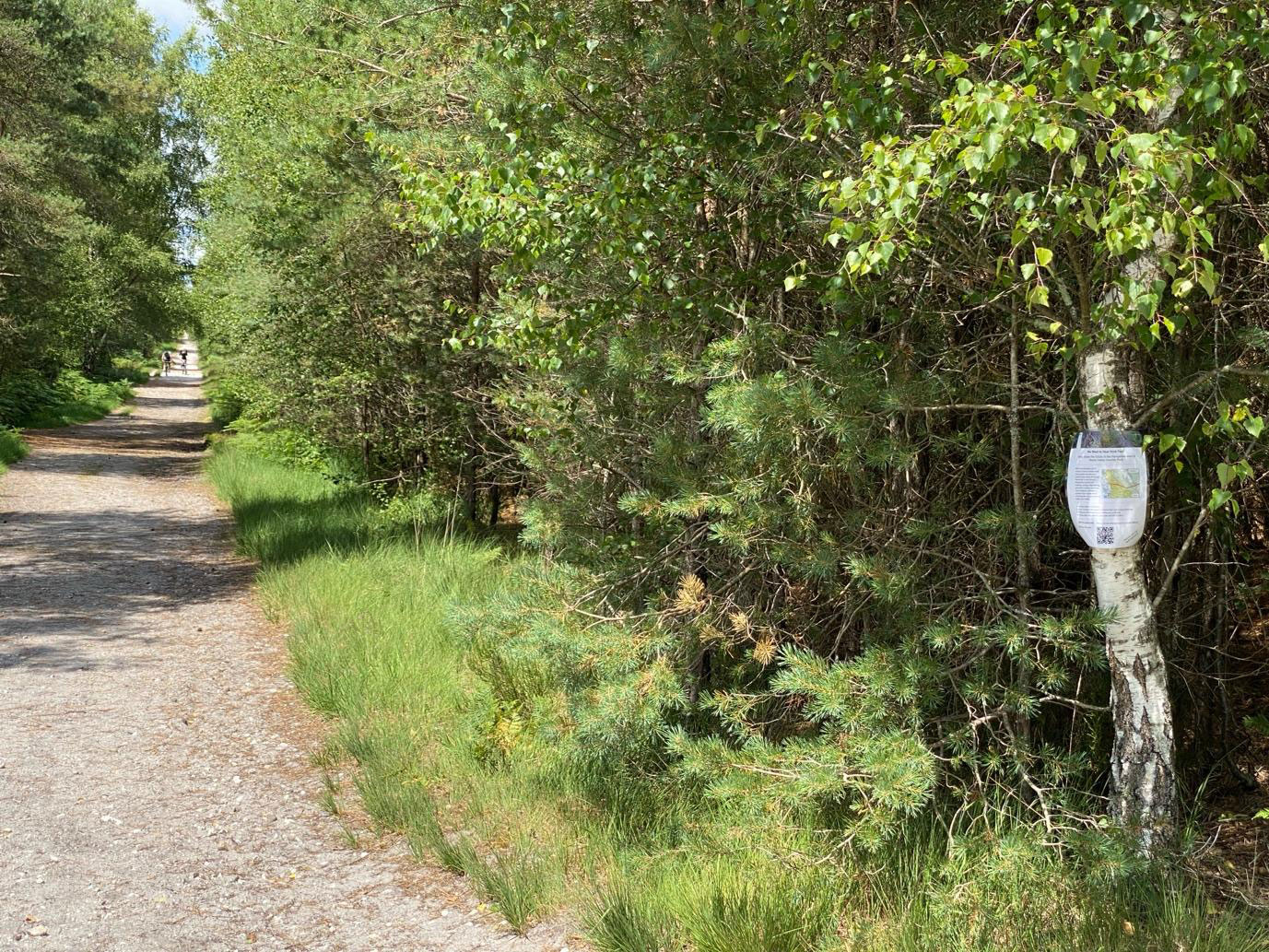
- QR-code linked questionnaires displayed on site
- Survey drops to local residents
- Online surveys promoted through local networks
These approaches can capture data from users who may not be present during traditional survey periods and can improve representation of local recreational patterns.
5. In-person questionnaires and car counts
Traditional in-person surveys remain a key element of visitor assessment, particularly for understanding visitor motivations, travel distance and alternative site use. Car counts at parking areas can complement this by providing additional quantitative data on site capacity and pressure.
When combined with long-term monitoring tools, in-person surveys can be targeted more efficiently and used to ground-truth other datasets.
Benefits of an integrated approach
Taking a combined, multi-method approach allows for:
- A more comprehensive understanding of recreational pressure
- Improved confidence in baseline assessments
- Identification of spatial and temporal patterns of use
- Robust evidence to inform mitigation design
- Collection of repeatable data suitable for long-term monitoring
This approach also supports adaptive management, enabling monitoring programmes to be refined over time in response to observed changes in site use.
Limitations and site-specific considerations
No single methodology is universally applicable. Limitations may arise where sites are not publicly accessible, where access is informal or subject to trespass, or where physical constraints restrict equipment deployment. In such cases, methodologies should be tailored to reflect site context, access patterns and proportionality.
Transparency around limitations and assumptions remains essential to maintaining the credibility of visitor assessments.
Conclusion
Visitor surveys are evolving. As pressures on designated sites increase and expectations of evidence-based assessment grow, there is a clear opportunity and responsibility for ecologists to raise the standard of recreational impact assessment.
By integrating traditional survey techniques with emerging technologies and long-term monitoring tools, practitioners can deliver more robust, defensible and proportionate visitor assessments. This, in turn, supports better-informed decision-making, more effective mitigation and improved outcomes for both people and sensitive ecological receptors.