30 Days Wild: A Month of Connecting with Nature

At Ecology by Design, spending time in nature isn't just our profession, it's something many of us genuinely enjoy outside of work too. This June, members of our team have been taking part in the Wildlife Trusts' 30 Days Wild challenge, making time every day to connect with wildlife and the natural world.
As you might expect from a team of ecologists, bat specialists, ornithologists, botanists and wildlife enthusiasts, our June has been packed with memorable encounters. From rare plants and breeding birds to bats, butterflies and barn owls, the challenge has highlighted how much nature is a part of our day to day lives.
Why We Love 30 Days Wild
What has been particularly enjoyable about this year's challenge is seeing participation spread across the entire business. Ecologists, operational staff and business development colleagues have all shared sightings, photographs and stories from their daily encounters with nature.
Whether it's a rare orchid, a bat roost, a breeding bird survey, an unexpected insect in the garden or simply taking a moment to appreciate the world around us, 30 Days Wild encourages us to pause, observe and reconnect with nature.
Why It Matters
It’s also a reminder of why ecological evidence and conservation are so important. The species and habitats we encounter through our work and in our spare time are not just data points in a report. They are part of functioning ecosystems that enrich our landscapes and support biodiversity across the UK.
As ecological consultants, our role is to help clients understand and manage the ecological value of their sites, ensuring that development is informed by robust evidence and delivered in a way that avoids, mitigates and compensates for impacts on wildlife. Many of the species featured in this month's challenge, from barn owls and dormice to bats, great crested newts and nightjars, are species that rely on careful planning and effective conservation measures to thrive alongside development.
30 Days Wild provides an opportunity to celebrate the wildlife that inspires our work while reinforcing the importance of protecting and enhancing biodiversity for future generations.
Highlights from A Month Full of Wildlife Encounters
- 1 June:
- Jo seeing two barn owls in a tree cavity on site.
- 2 June:
- Kat finding a swallow nest
- 3 June:
- India seeing a slow worm
- 4 June:
- Karen seeing lesser and greater butterfly orchids at Aston Clinton ragpits
- 5 June:
- Team building trip to Cotswold Wildlife Park, seeing native and non-native species up close and learning about their conservation projects
- 6 June:
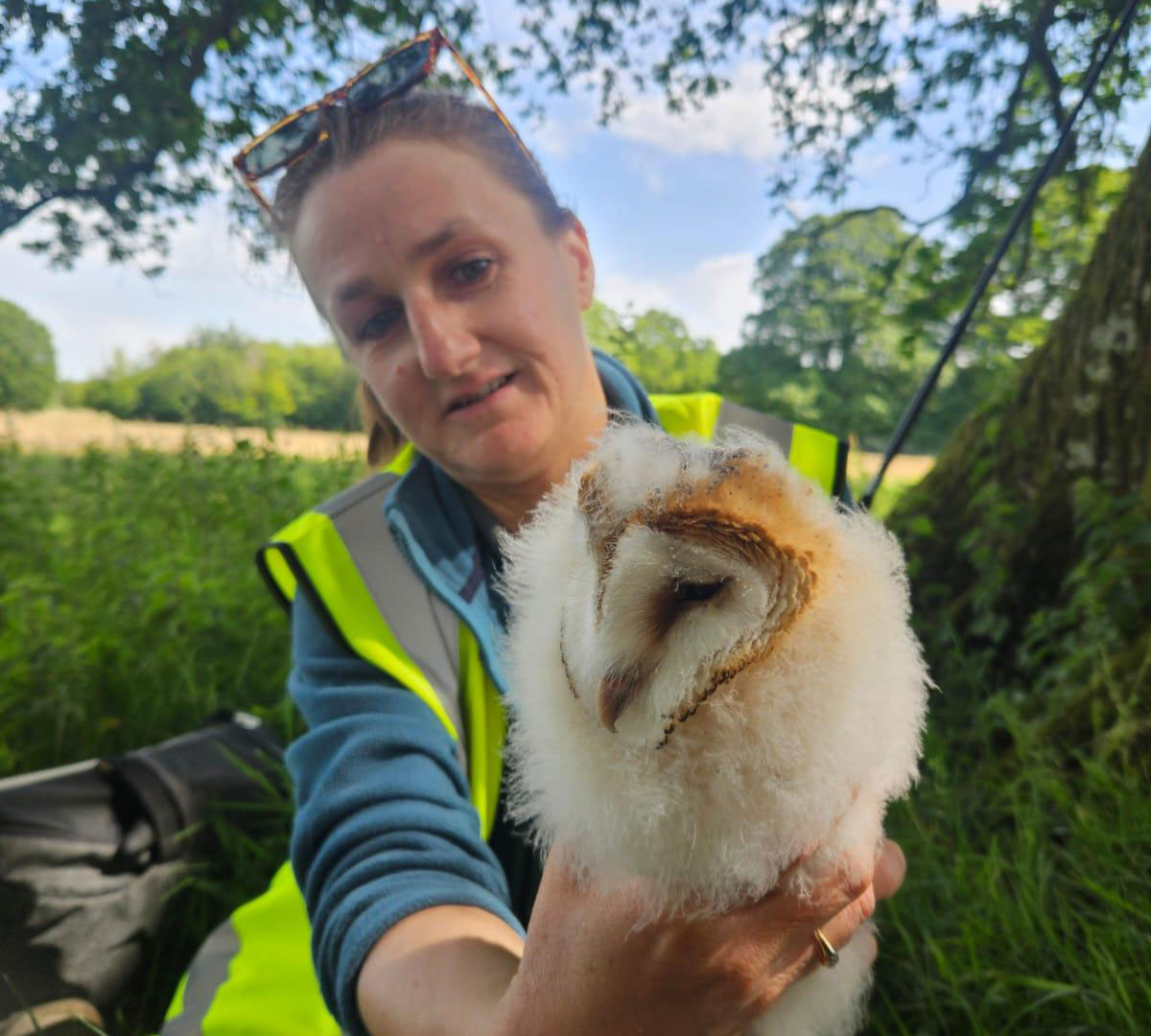
- Jess handling Goshawk and buzzard chicks
- 7 June:
- Alice seeing 5 white storks in Guildford
- 8 June:
- Nick seeing a Welsh chafer
- 9 June:
- India handling Barn Owl, Tawny Owl and Kestrel chicks and Laura seeing Venus and Jupiter's 'cosmic kiss' with her telescope
- 10 June:
- Connor seeing six slow-worms on a site visit and Nick in south Wales, enjoyed seeing tree pipits, singing redstarts, meadow pipits, skylarks, stonechats, spotted flycatchers, willow warblers and even crossbills
- 11 June:
- Anna M seeing a stoat weaselling its way across the road on her journey to work and Molly seeing 9 great crested newts while torching
- 12 June:
- Business Development got in on the action with a stag beetle in the kitchen
- 13 June:
- The Operations Team also got involved with Hayley seeing a scarlet tiger moth and Heather seeing an emperor dragonfly
- 14 June:
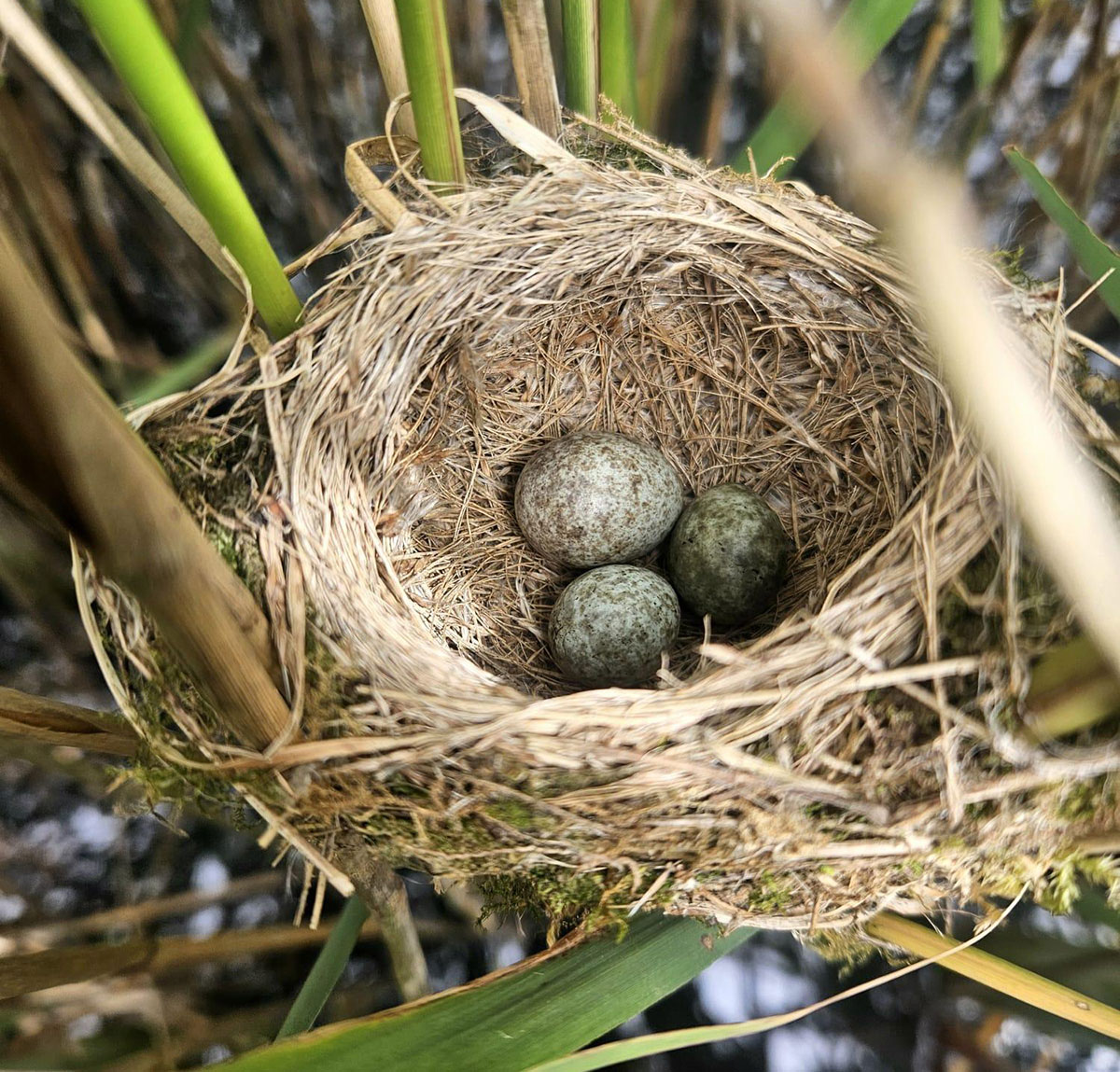
- Molly and Jess found a baby cuckoo as well as a cuckoo egg in a nest
- 15 June:
- Breeding barn owls found as part of monitoring under licence by Em and Izzy spotted yellowhammer, corn bunting, little owl near Wallingford
- 16 June:
- Lapwing calling and nesting in Surrey spotted by Anna M and Leanne from the operations team saw a very photogenic mallard duck with a huge brood of ducklings
- 17 June:
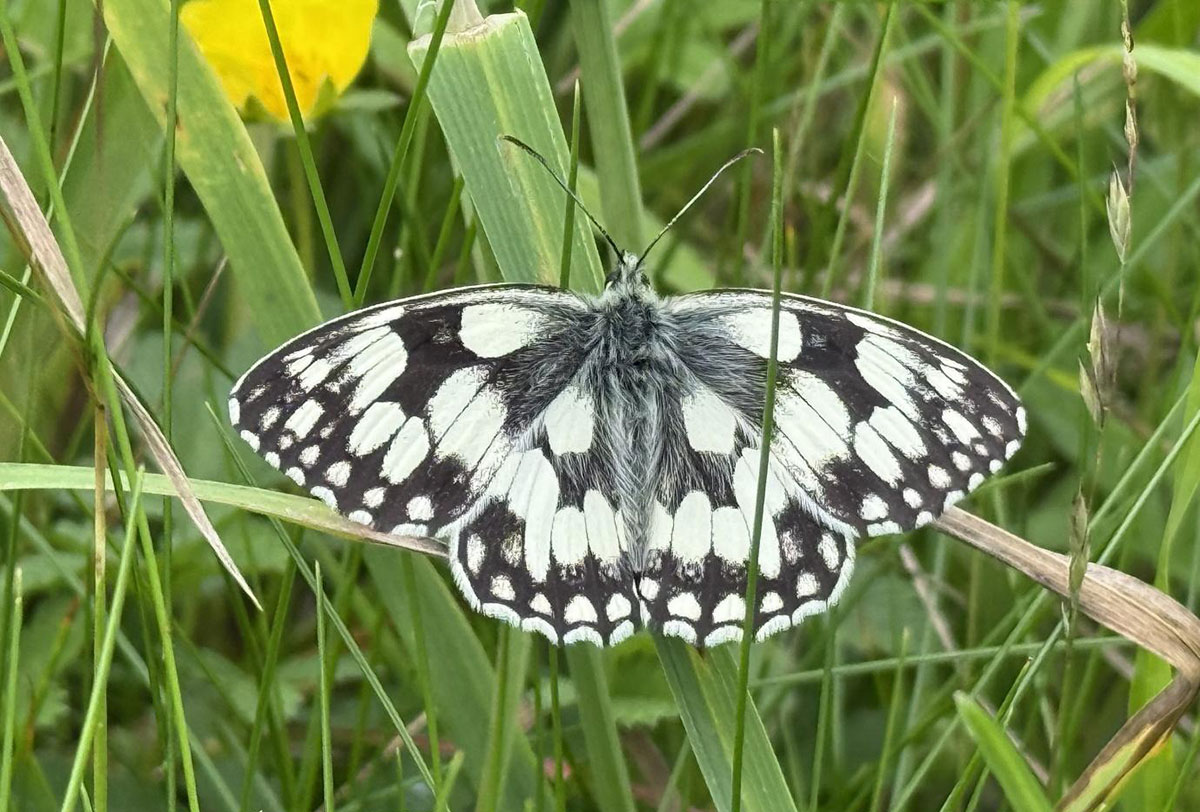
- Izzy saw a marbled white butterfly in Buckingham. India saw and heard her first ever nightjar churring on one of our sites
- 18 June:
- Laura had 154 common pipistrelle bats emerge from a maternity roost during a monitoring visit for a licence where there were only 74 pre-works
- 19 June:
- Karen had 3 natterer's bats in maternity roosts in boxes at Hyde Lakes during a volunteer bat roost visitor check
- 20 June:
- Alice had 8 dormice on a monitoring visit
- 21 June:
- Alice caught and rang her first nightingale and Connor saw a hobby hunting swifts over his house
- 22 June:
- Karen had a privet hawkmoth in her moth trap - her first of the year
- 23 June:
- Leanne saw a baby toad in her front garden and Oli saw a gorgeous sunrise and lovely view of yellow wagtail in the sun
- 24 June:
- Josh saw a fox
- 25 June:
- Laura found a 4-leaf clover on an early morning walk
- 26 June:
- The whole team did a fake FISC day and saw some plants they’d never seen before and Laura saw a kingfisher
- 27 June:
- India saw Lapwing, Cattle Egret, Sedge & Reed Warblers at Otmoor
- 28 June:
- Caroline spotted a signal crayfish and has now learned the difference between it and our native white clawed crayfish
- 29 June:
- Anna Sp found a tree covered in ermine moth webs
- 30 June:
- Laura was woken by delightfully screaming swifts