Great Crested Newts: Surveys and District Level Licensing (DLL)

Great crested newt (GCN) surveys are needed when a development is planned within 500m of a pond or similar water body. They need to be carried out between March/April and June.
Great crested newts (GCN) remain one of the most important ecological constraints in the planning system as they are a European Protected Species.
District Level Licensing (DLL) provides a more streamlined route to dealing with GCN in some parts of England. However, many areas are still outside these schemes and continue to rely on traditional survey approaches.
In these locations, timing is critical. Missing the survey window can introduce significant delays to projects, sometimes extending programmes by a full year.
This blog explains why early planning is essential and how to avoid common pitfalls when DLL is not an option.
A quick refresher: DLL vs traditional surveys
Where DLL is in place, impacts on GCN are addressed through a strategic, impact-based approach. This often removes the need for site-specific surveys and simplifies the licensing process. The current list of areas covered is included here.
DLL is not available everywhere (i.e. red Natural England zones cannot use DLL) and/or is not always the most cost-effective option. If you are unsure whether you should opt for a District Licence or traditional surveys see our guide for developers here.
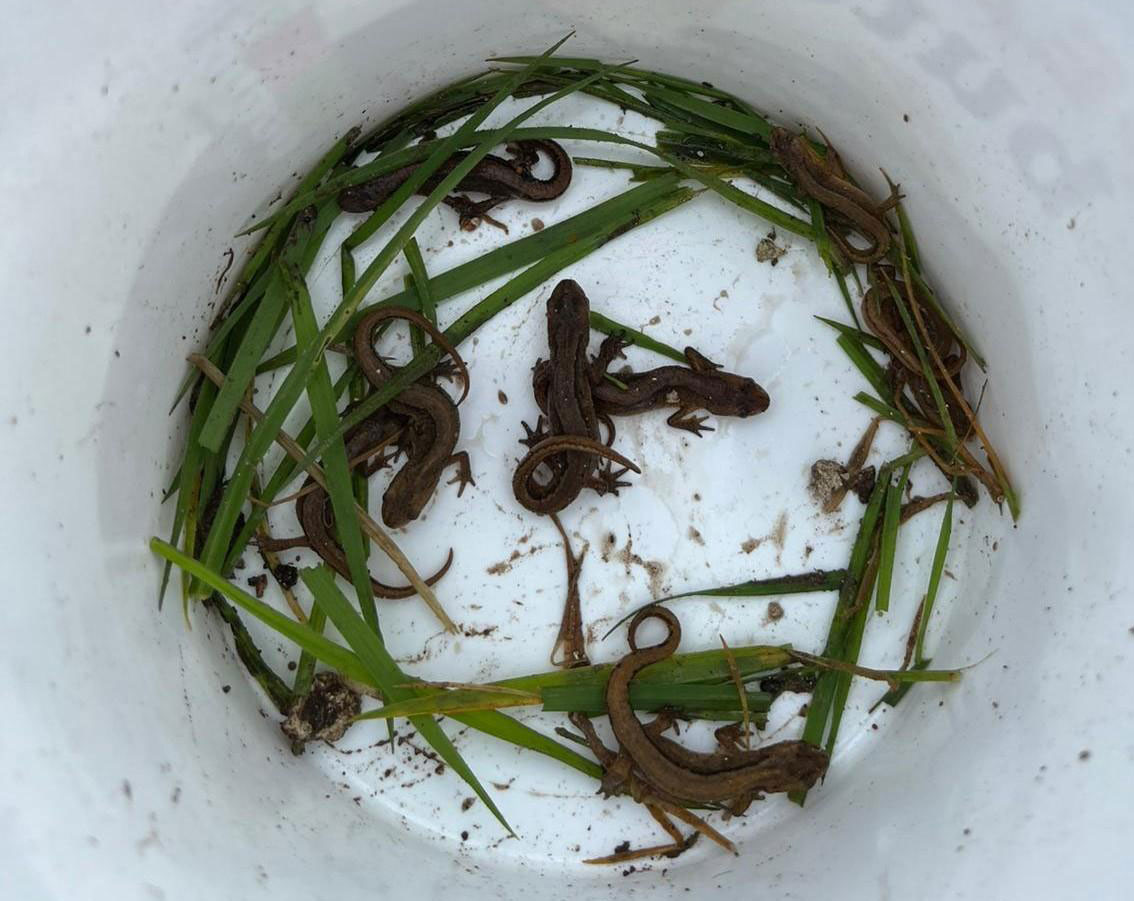
When can GCN surveys be carried out?
Understanding survey timing is essential to avoiding delays. The available survey windows are relatively short and tightly defined by Natural England.
eDNA surveys
- Mid April to end of June
- Used to determine presence or likely absence
- Typically requires a single site visit
eDNA surveys are often the quickest and most cost effective way to assess a site. However, they rely on detecting DNA shed by newts during the breeding season. Outside this period, results are not considered reliable.
For this reason, timing within the season matters. Early season surveys provide more flexibility if follow up work is needed.
Presence and absence surveys
- Mid March to mid June
- Typically four survey visits required
- At least two visits between mid April and mid May
These surveys involve methods such as torching, bottle trapping and egg searching. They provide more robust data than eDNA but require multiple visits and suitable weather conditions.
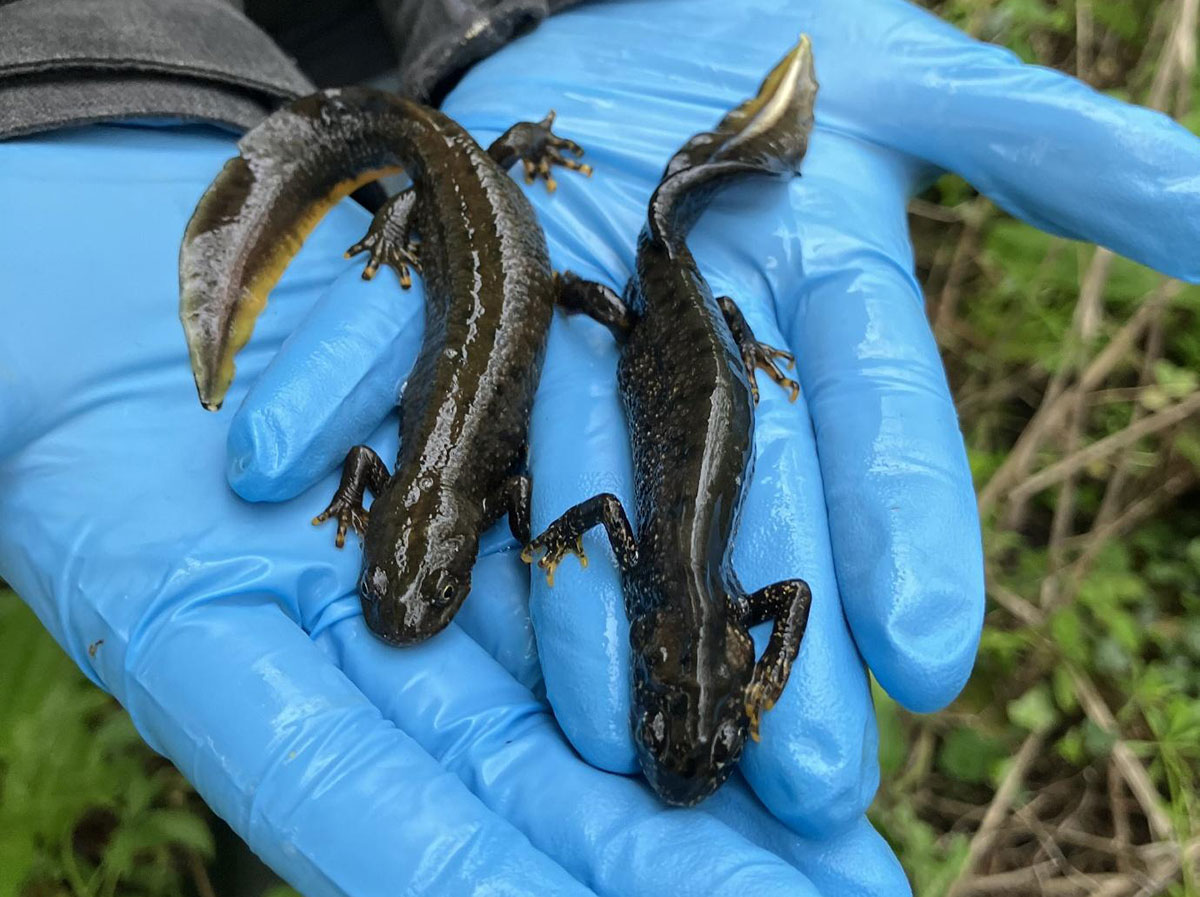
Population size class surveys
- Up to six survey visits in total
- Required where GCN are confirmed present
If GCN are identified, additional surveys may be needed to determine population size class. This information is often required to inform mitigation and licensing.
The key risk: leaving surveys too late
One of the most common issues we see is sites being assessed too late in the survey season.
For example, an eDNA survey undertaken in June may confirm the presence of GCN. At that point, there may not be enough time left in the season to complete the additional survey visits needed to establish population size.
This creates a problem. Without that data, planning applications may be delayed or decisions deferred. In many cases, further surveys cannot be completed until the following spring.
What initially seemed like a quick and simple survey route can therefore lead to a delay of several months.
Early engagement and a clear survey strategy can significantly reduce risk.
Start early
Preliminary ecological appraisal and habitat assessment can be undertaken at any time of year. These early steps help identify whether GCN are likely to be an issue and allow time to plan appropriate surveys.
Choose the right survey approach
eDNA is often suitable for low risk sites, particularly if undertaken early in the season. For sites with higher suitability or tight planning programmes, it may be more appropriate to proceed directly to presence and absence surveys.
Align surveys with your programme
Survey timing should be considered alongside planning submission dates and project milestones.
What happens if you miss the window?
If surveys are not completed within the appropriate season, the available options become more limited. These may include:
- Delaying a planning application
- Taking a precautionary approach and assuming presence
- Redesigning the scheme to avoid impacts
- Waiting until the next survey season
All of these options can have cost and project timescale implications.
How we can help
At Ecology by Design, we support clients in developing appropriate survey strategies that align with project timelines. Early advice can help identify risks and ensure the right surveys are undertaken at the right time.
If you have a site that may be affected by great crested newts, get in touch with our team to discuss the best approach.


