Leisure Sector Ecology

Evidence-led ecological advice for visitor-focused developments
Leisure developments form a significant and diverse part of our work, ranging from urban parks and active travel infrastructure through to woodland lodges, glamping sites and major visitor attractions in highly sensitive landscapes. These schemes are often driven by visitor numbers, experience and operational flexibility, which means ecological effects are closely linked to how people use places, not just where development occurs.
Leisure projects play a defining role in shaping how people access, experience and value the natural environment. Well-planned visitor experiences can strengthen people’s connection with nature while supporting the long-term stewardship of sensitive landscapes. This perspective underpins our approach, combining robust ecological evidence with practical design advice to help clients deliver schemes that are environmentally responsible, operationally flexible and commercially successful.
Our role is to help clients navigate these complexities by identifying ecological constraints early, translating them into clear, deliverable recommendations, and providing appropriate defensible mitigation that allows projects to progress with confidence.
Understanding recreational pressure and visitor behaviour
Leisure schemes frequently give rise to indirect ecological effects associated with increased footfall, disturbance, noise, pollution, lighting and changes in visitor behaviour. These impacts can be difficult to assess and, if poorly understood, can lead to overly precautionary mitigation, unnecessary restrictions or delays at planning.
We focus on clearly defining impact pathways, distinguishing between construction effects and long-term operational change, and using evidence to understand how visitors are likely to interact with sensitive habitats and species. This approach ensures mitigation is targeted where it is genuinely needed, avoiding over-engineering while still protecting ecological features of interest.
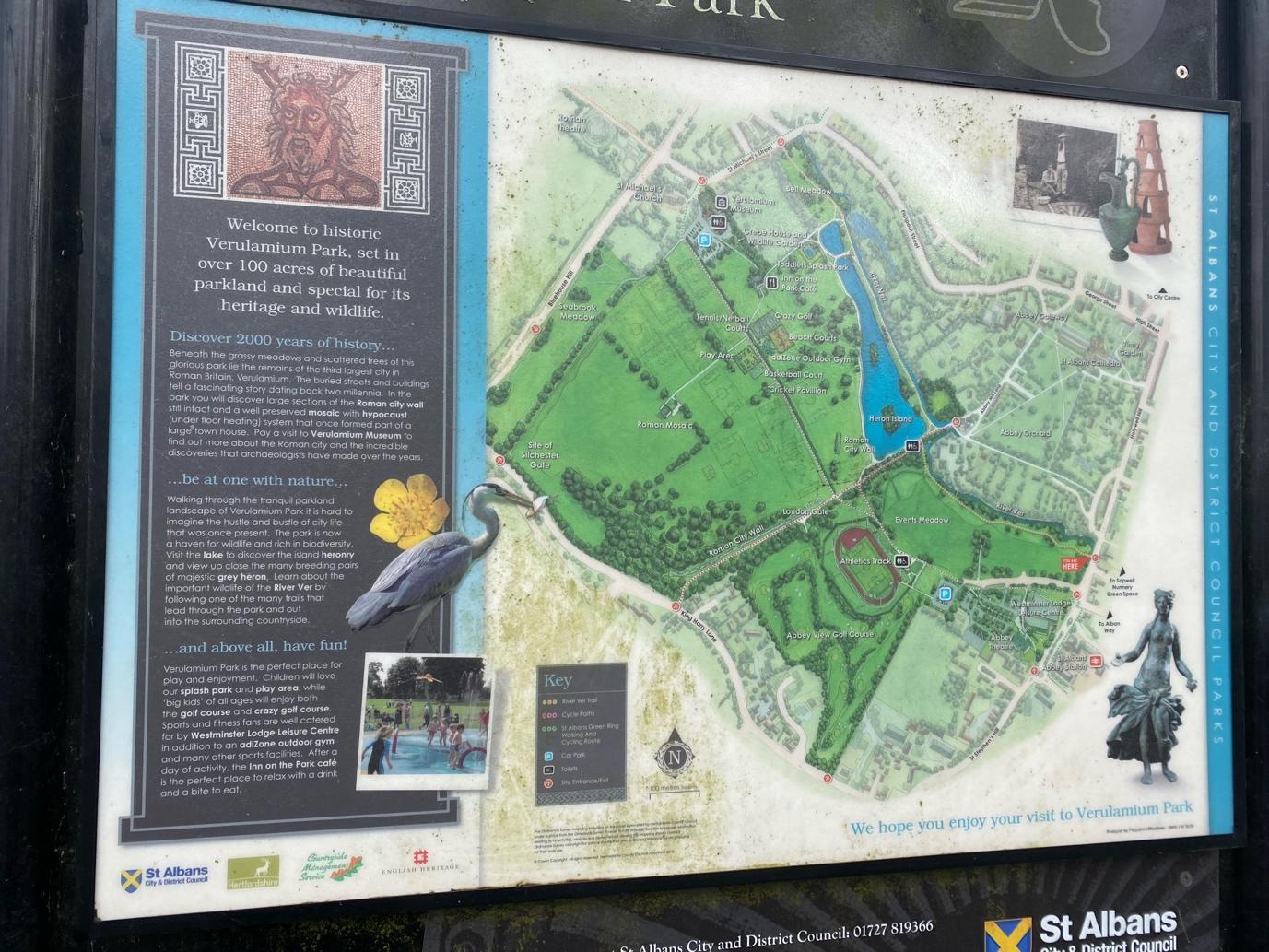
Urban parks, events and multi-use green space
In urban leisure settings, such as parks and public open spaces, ecological impacts are often driven by intensity of use rather than land take.
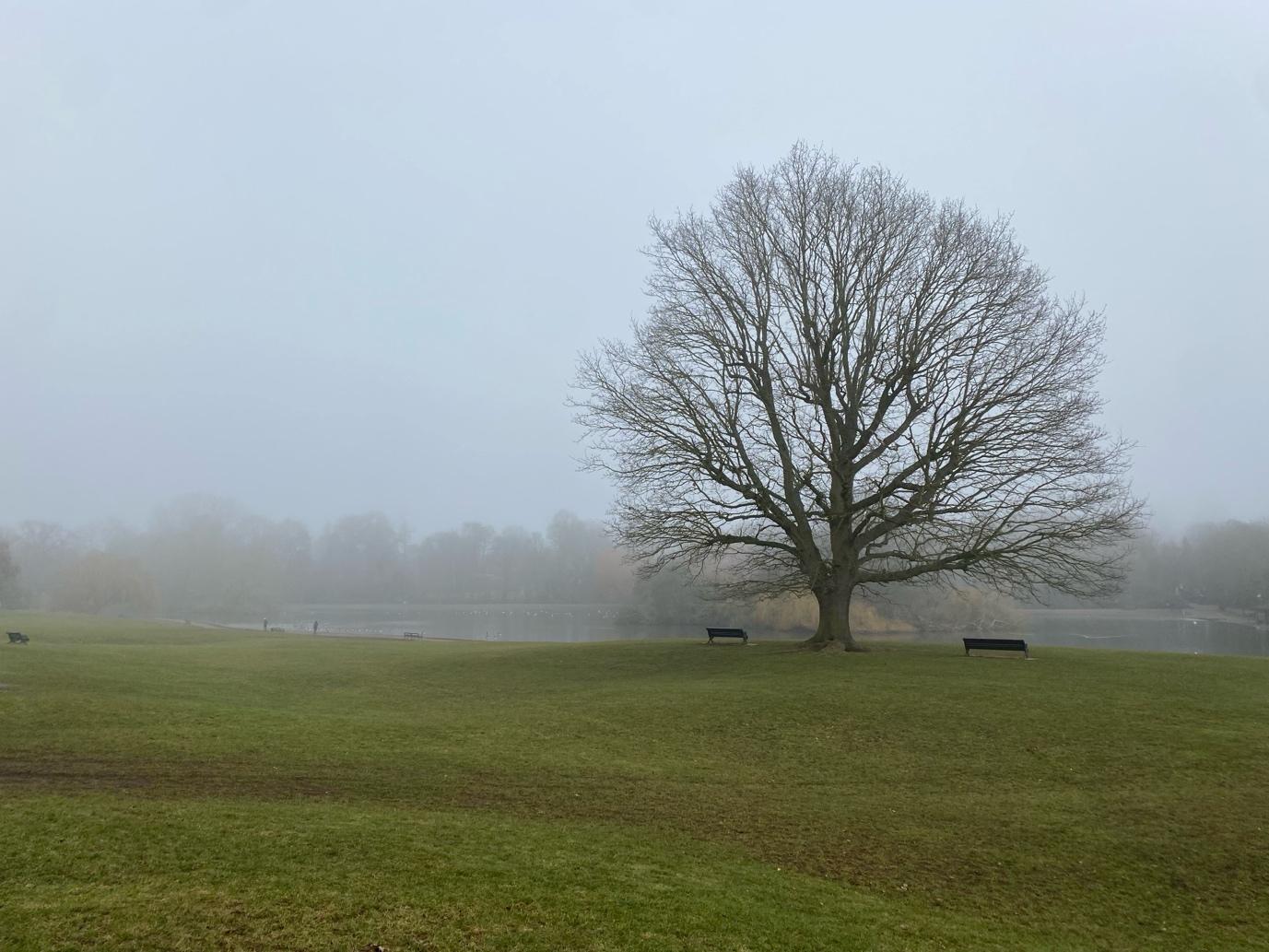
At Verulamium Park, proposals to increase the number and scale of events posed risks to valuable habitats and breeding herons due to increased footfall, noise and fireworks. We worked closely with the project team to assess these risks, define realistic mitigation measures, agree event controls and establish a monitoring framework. This enabled ecological risks to be managed without unnecessarily restricting the park’s use or limiting future flexibility.
Active travel and linear access routes
For linear leisure and access projects, including cycle route widening delivered with Walk, Wheel and Cycle Trust (previously Sustrans), our assessments identify short-term construction impacts (habitat loss and species impacts) and long-term changes (the need to deliver Biodiversity Net Gain while optimising recreational use).
This distinction allows mitigation to be proportionate and focused, ensuring that habitats and species are protected without imposing unnecessary design constraints or operational burdens on schemes intended to improve public access and wellbeing.
Woodland lodges, glamping and destination accommodation
Leisure accommodation proposals often require a more nuanced ecological assessment than standard habitat and protected species surveys alone.
For woodland lodge developments, we consider effects on woodland condition, disturbance zones, access patterns and long-term management. This has allowed us to influence layout, phasing and operational practices, reducing risks to features such as badger setts while maintaining scheme viability.
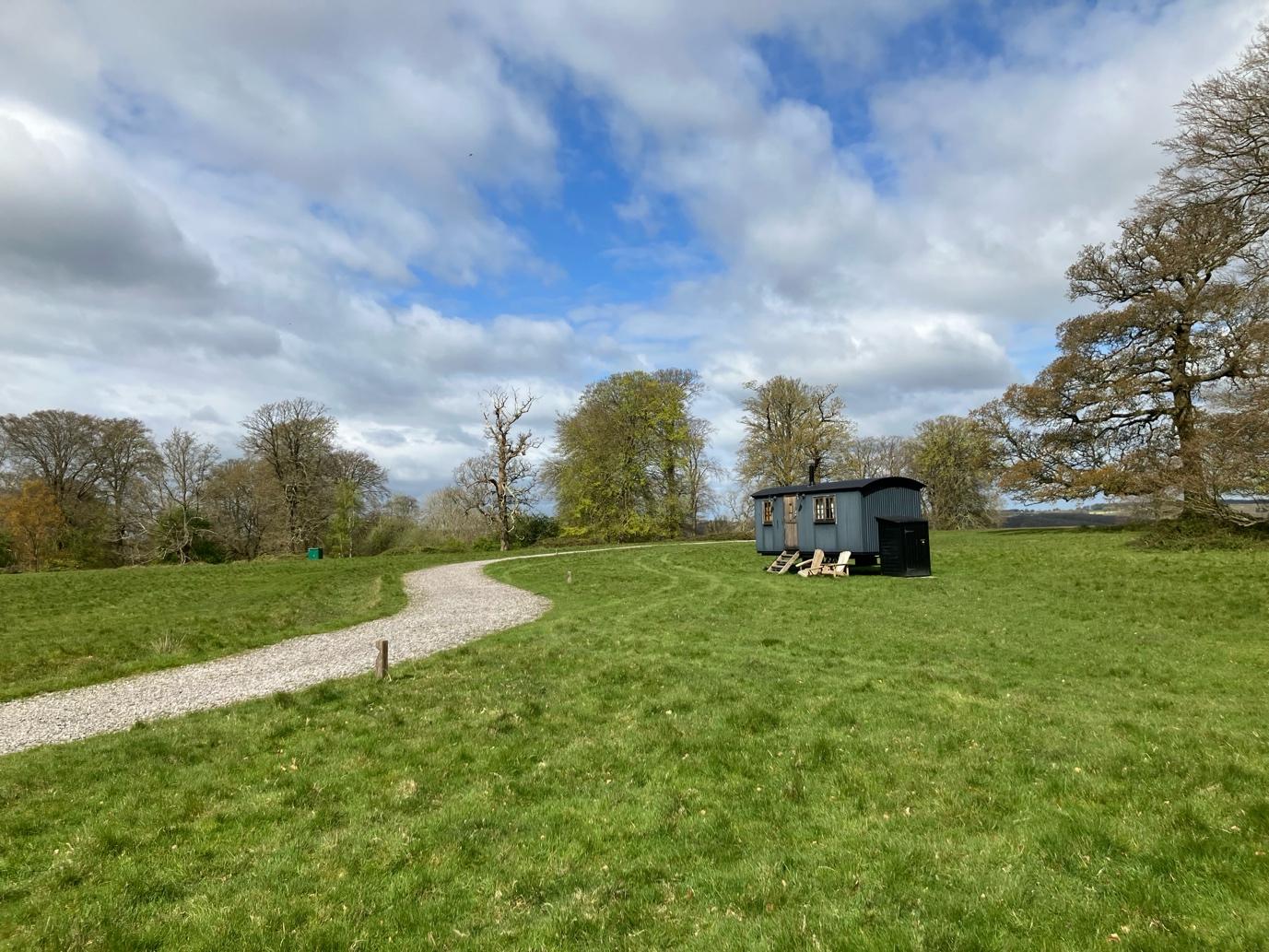
Glamping proposals within grassland, such as those at Stonor Park (below), can cause degradation of habitats on or off site, however, through careful design and sensitive long-term management detailed within a Habitat Management and Monitoring Plan (HMMP), delivery of policy-compliant schemes which achieve a net gain for biodiversity are highly feasible.
Designated landscapes and highly constrained sites
For proposals within proximity to nationally and internationally designated landscapes, leisure proposals often hinge on the ability to demonstrate no adverse effects arising from increased visitor numbers.
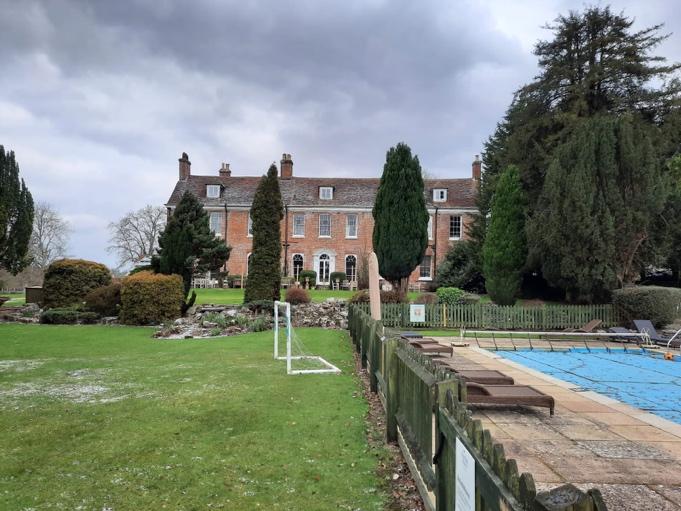
In these instances, Shadow Habitats Regulations Assessments (sHRAs) are required to assess likely effects on European sites. For example, for a hotel proposing to increase accommodation and spa facilities within the New Forest, water pollution, recreation and protected species impacts were key considerations within the sHRA. These assessments play a critical role in informing planning applications by clearly evidencing risks and defining avoidance and mitigation measures, typically requiring close coordination with transport planners, hydrologists and landscape architects.
Robust evidence and post-consent confidence
Across all leisure schemes, the value of a robust ecological assessment lies in its ability to inform design, support planning consent and provide a defensible basis for compliance.
Post-consent monitoring allows us to demonstrate that mitigation is effective, discharge planning conditions and adapt management where required. This reduces uncertainty for clients, supports long-term operation and helps ensure ecological outcomes remain proportionate, measurable and aligned with commercial objectives.
Understanding visitor behaviour is often central to this process. We explore this further in our recent blog on raising the standards of visitor surveys, which sets out how better evidence can lead to clearer conclusions, more appropriate mitigation and greater confidence at planning.
Summary: how we support leisure developers
- Early identification of ecological constraints and risks
- Evidence-led assessment of recreational pressure and visitor effects
- Proportionate mitigation that protects ecology without compromising operation
- Support through planning, HRA and post-consent delivery
- Long-term monitoring to retain flexibility and reduce future risk


