Why Botany Surveys Depend on Timing

Botany surveys underpin the UKHab Classification system which in turn feeds in to legal requirements, such as Biodiversity Net Gain and the identification of protected habitats.
They are an integral part of Preliminary Ecological Surveys (PEAs), Ecological Impact Assessments (EcIAs) and Environmental Impact Assessments (EIAs).
For ecologists and developers alike the timing of these botany surveys can make or break a project and the peak season for this work, May through August, is a critical period.
Our recent projects have included:
- Preliminary Ecological Appraisals (PEAs) and targeted Phase 2 surveys to support planning applications
- Estate-wide surveys to establish habitat banks for biodiversity net gain
- Assessments of SANGs and SINCs to verify habitat quality and condition
Al these examples share a common thread, the need for surveys to be undertaken at the right time of year to capture the full botanical picture.
Why the survey window matters
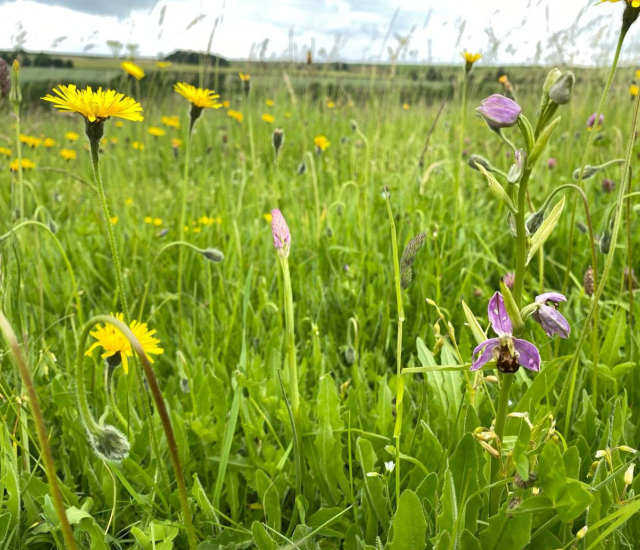
Between May and August, most plant species are identifiable, with key diagnostic features such as flowers and seed heads visible. Surveying outside this window can result in:
- Missed or misidentified species
- Underestimation of habitat condition
- Increased uncertainty in biodiversity metrics
This can, in turn, lead to delays, additional survey requirements, costs, or challenges during the planning process.
Site A
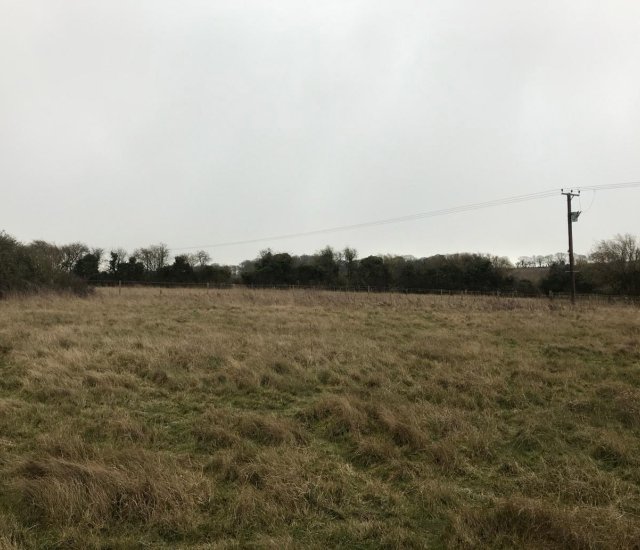
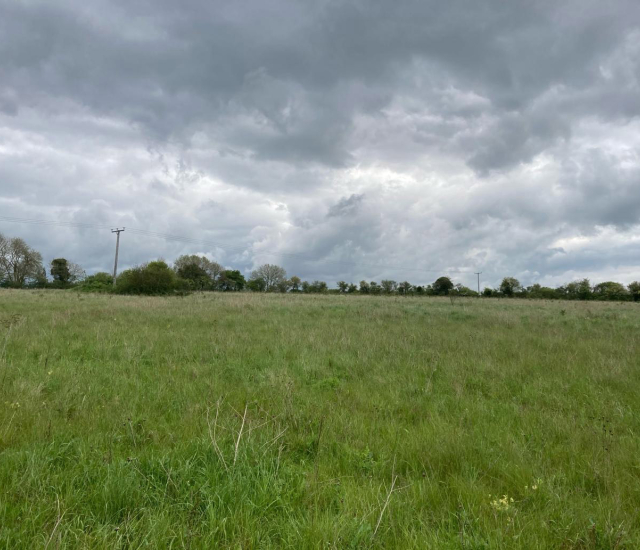
Site B
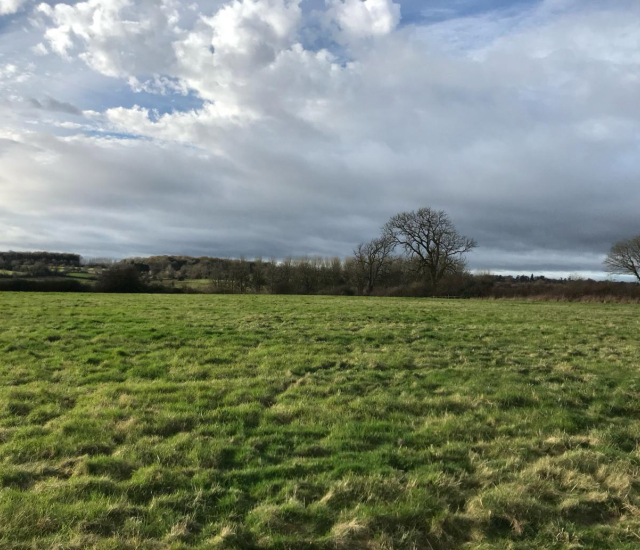
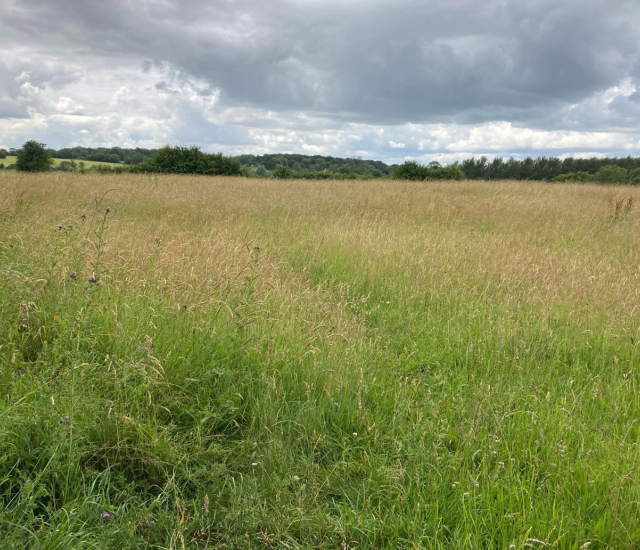
Site C
Top tips to avoid delays
To help ensure surveys are effective and avoid unnecessary setbacks, consider the following:
1. Avoid mowing or grazing before surveys
Cutting or intensive grazing can remove key indicator species and reduce sward structure, making it difficult to assess habitat condition accurately.
2. Do not clear habitats prematurely
Clearing vegetation before a survey can result in the loss of critical ecological data and may require assumptions or precautionary approaches that complicate applications, cause delays or results in increased costs.
3. Plan surveys within the optimal window
Engage an ecologist early and schedule surveys between May and August wherever possible. Leaving surveys too late can push work into the following year, delaying project timelines.
Final thoughts
Botanical surveys are a cornerstone of robust ecological assessments, but they are inherently seasonal. By planning ahead, avoiding common pitfalls, and ensuring the right expertise is in place, projects can progress smoothly without unnecessary delays.
If you are considering a project that may require habitat surveys, now is the time to act, before the window closes. It’s worth noting a whole suite of protected species surveys are also seasonally constrained. See our calendar for when to conduct these surveys here.


