Conservation success at St Edmund Hall, Oxford - retaining a maternity bat roost during redevelopment

The challenge
Redeveloping buildings that support maternity bat roosts presents one of the greatest challenges in ecological consultancy. While the preference is always to retain roosts in situ, this is not always practical or cost effective and mitigation often focuses on replacing roosts lost through development with varying degrees of success.
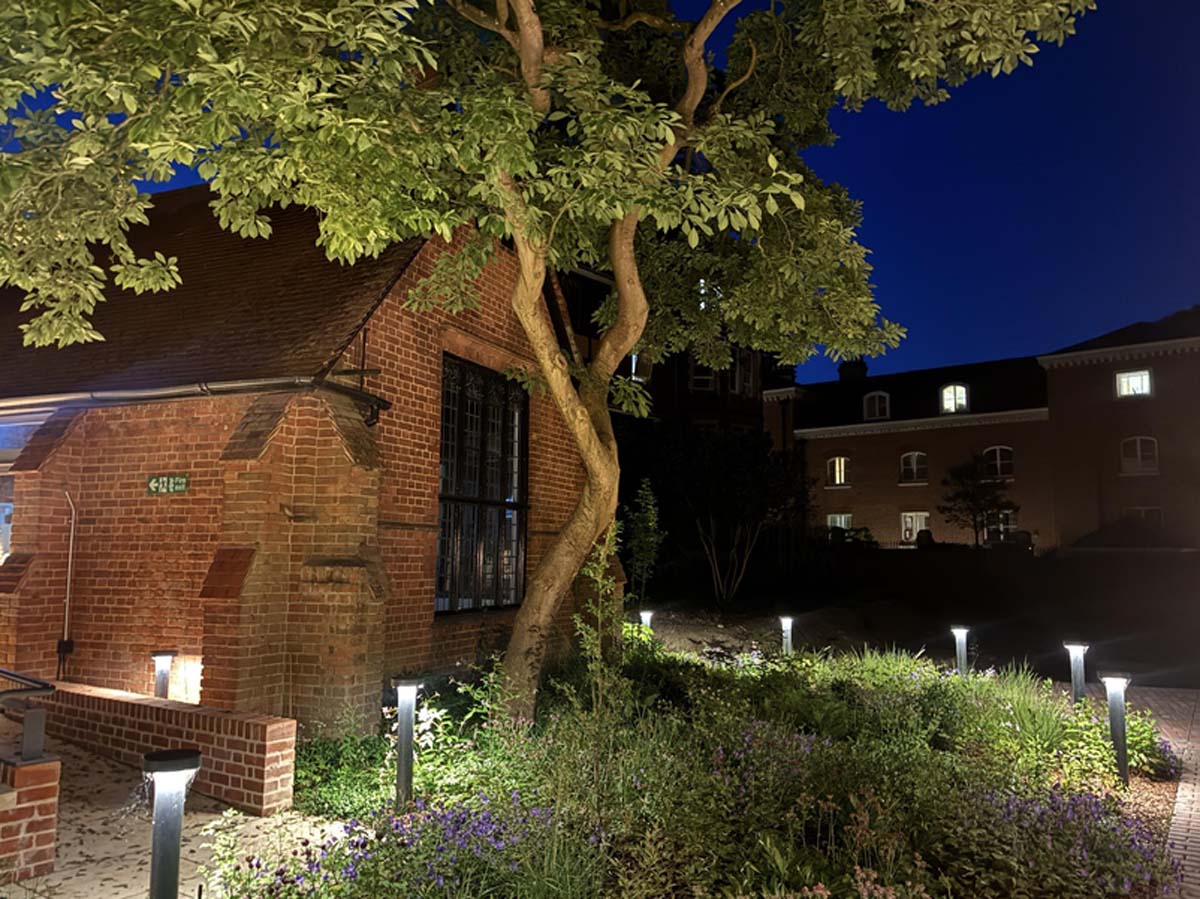
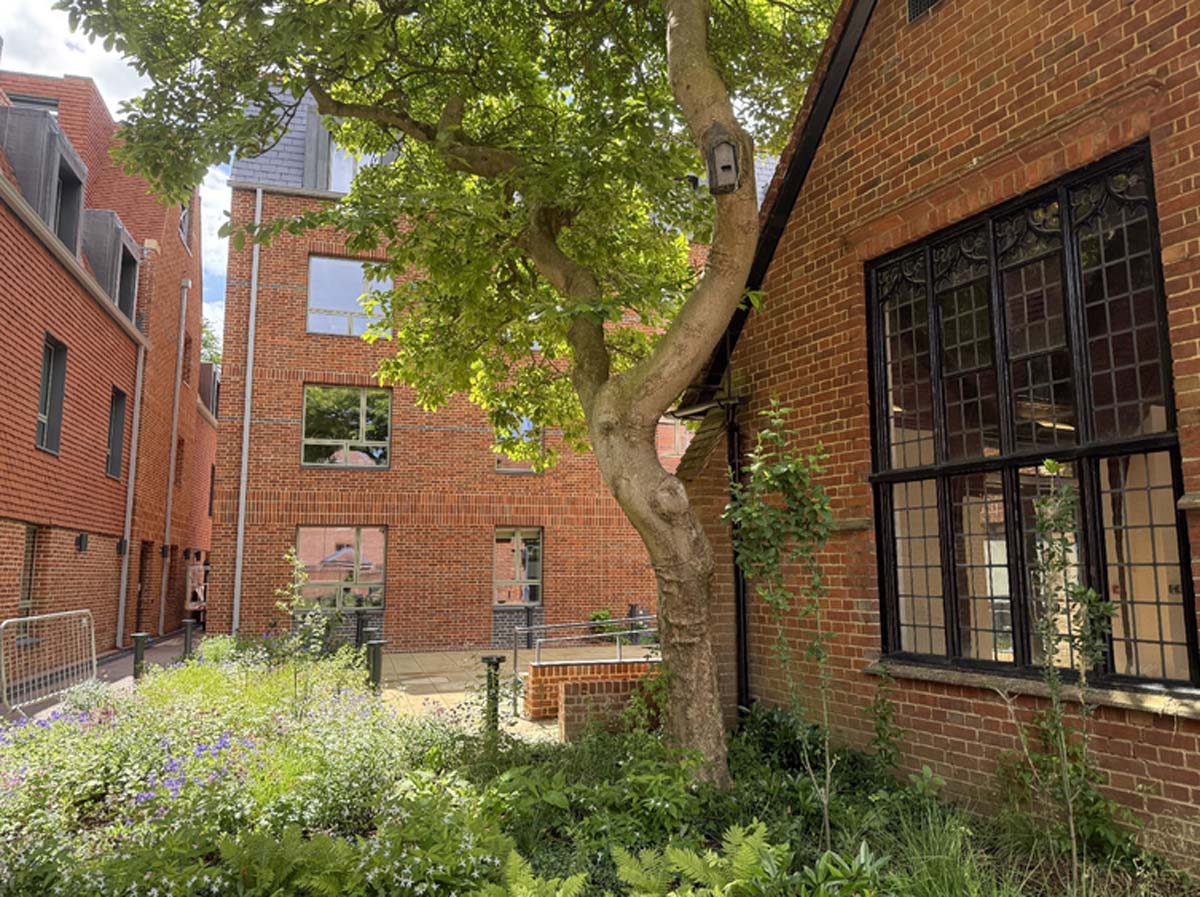
At St Edmund Hall, University of Oxford, plans to redevelop student accommodation at 17 Norham Gardens presented exactly this challenge. The approved scheme included refurbishment, demolition and the construction of new Passivhaus accommodation buildings, delivering much-needed student housing while improving the environmental performance of the site.
Previous ecological surveys had confirmed the presence of a maternity roost of common pipistrelles within one of the existing buildings to be impacted. The aspiration of the College and wider project team was not simply to comply with legislation, but to retain this important roost within the completed development wherever possible.
Our role
Ecology by Design was appointed by St Edmund Hall to update the bat surveys, secure the European Protected Species licence and oversee ecological delivery throughout construction.
From the outset, the project required us to collaborate closely with the project’s planners, architects, engineers, contractors and the College. The ecological strategy could only succeed if bat conservation objectives were fully integrated into the design and construction process.
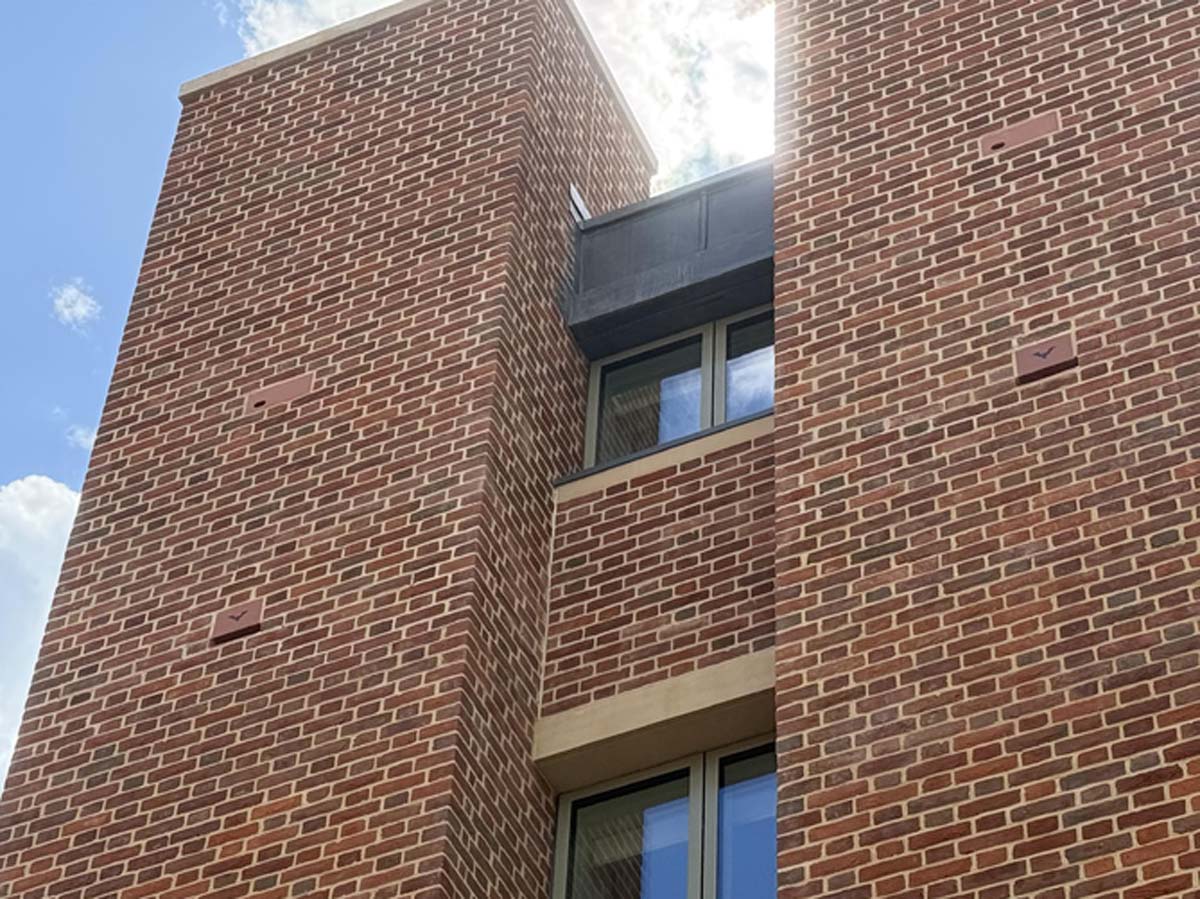
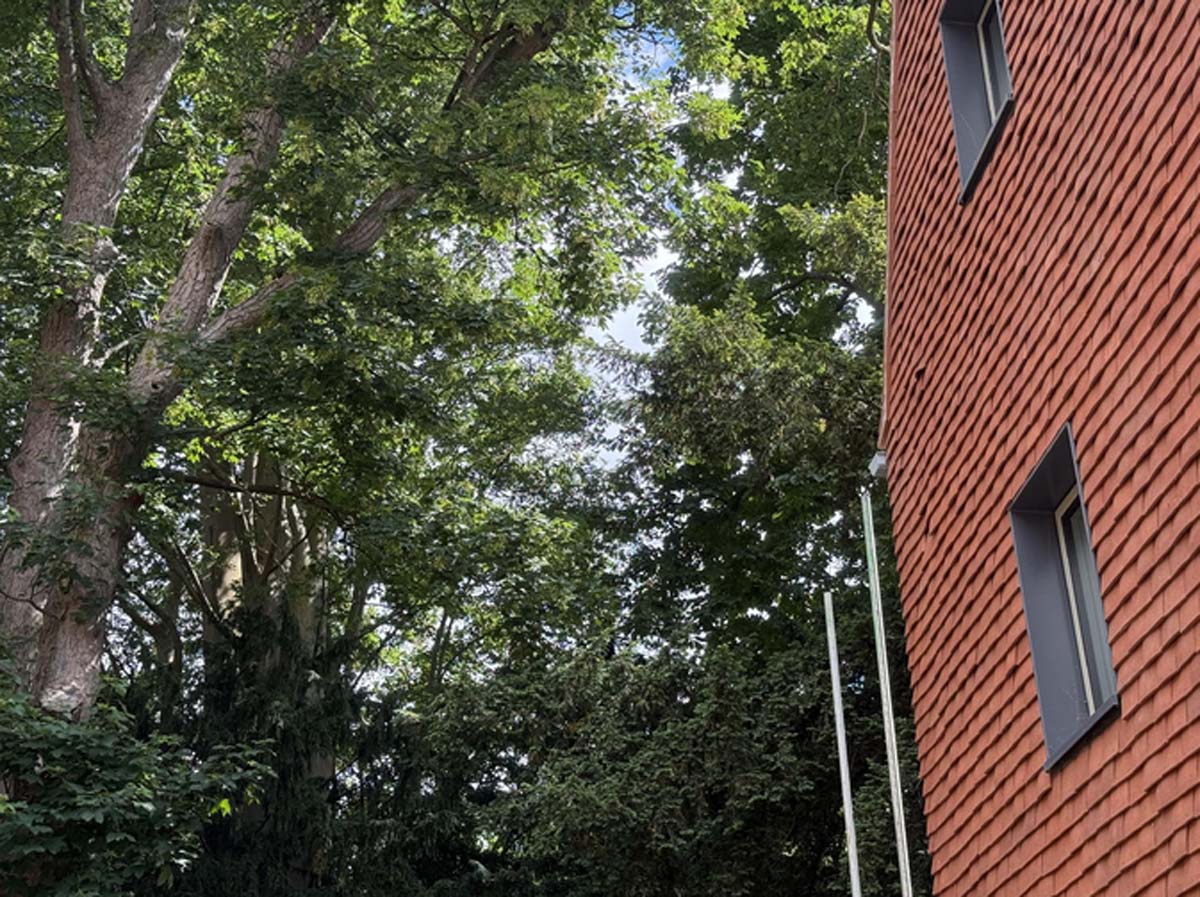
A key objective was to retain the maternity roost within the building rather than rely solely on replacing roosting features elsewhere. Through detailed design development, the established access points and flight lines used by the colony were maintained, allowing bats to continue using the building following completion of the works.
During the survey and licensing process, an additional issue was identified that presented an opportunity to improve conditions for the colony. A juvenile bat was discovered entangled within fibres of the existing modern roofing membrane, highlighting a known risk associated with some modern roofing materials. Working with the wider design team, the proposed bat loft was refined so that the membrane would be encapsulated using bitumen 1f felt and rough timber boarding, preventing future contact while retaining and enhancing the existing roosting space.
Throughout construction, Ecology by Design provided ecological oversight, supervised licensed works, advised on construction sequencing, and worked with the project team to ensure that ecological commitments, including sensitive lighting measures, were successfully implemented. As an integral part of the project team, Ecology by Design were able to ensure that any impacts to the programme and costs were kept to a minimum.
Delivering more than compliance
Successful ecological mitigation relies on more than a well-written licence application. It requires continual communication, problem-solving and a shared commitment from the entire project team.
The success of this project was driven by the willingness of St Edmund Hall and the design team to embrace ecological considerations throughout the development process. By treating biodiversity as a core project objective rather than a constraint, opportunities were identified to improve conditions for bats while still delivering the wider redevelopment aspirations of the site.
The project demonstrates how ecologists can add value when involved throughout design and construction, helping to refine proposals and improve outcomes as new information emerges.
The outcome
The results have been extraordinarily successful.
Following completion of the redevelopment and implementation of the mitigation strategy, post construction monitoring confirmed that the roost remained active and thriving.
More significantly, surveys undertaken prior to the works recorded 74 common pipistrelles, while post-construction surveys recorded 154 common pipistrelles emerging from the retained maternity roost, more than double the pre-development count.
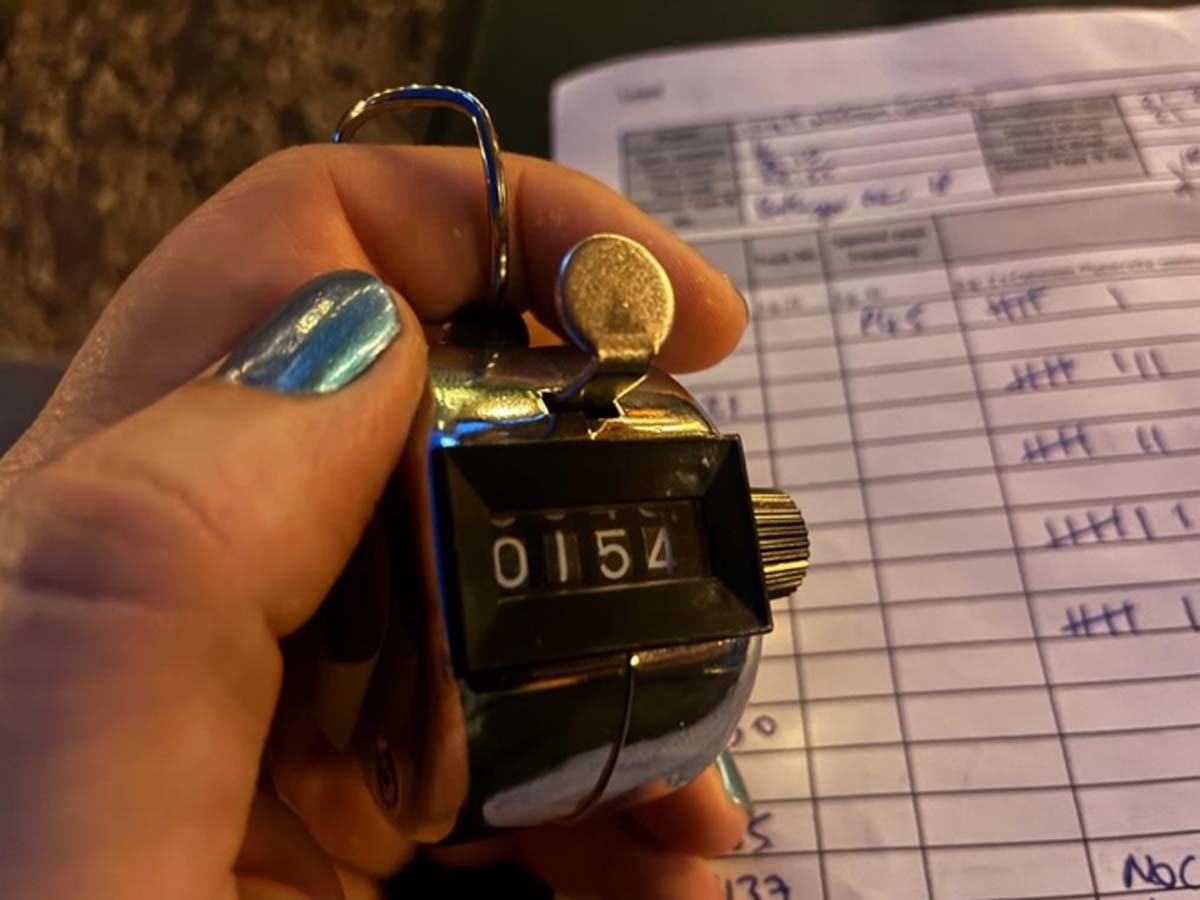
While bat populations naturally fluctuate from year to year and multiple factors influence colony size, the monitoring results clearly demonstrate that the redevelopment has successfully retained a viable maternity roost within the building. The substantial increase in recorded numbers provides strong evidence that the integrated design, careful construction management and long-term commitment to ecological delivery have resulted in a highly successful outcome for both bats and people.
On hearing about the highly successful outcome of the project the Principal of the College said “From the outset, it was important that this project not only provided high-quality accommodation for our students but also enhanced the ecological value of the site. We are delighted that the monitoring results have confirmed a thriving bat population following completion of the development, with numbers significantly higher than before construction. This demonstrates that, through careful design and collaboration, it is possible to deliver ambitious, sustainable buildings while protecting and enhancing biodiversity.”
Why it matters
Too often, ecological success is measured by the absence of harm.
At St Edmund Hall, Norham Gardens, success can be measured by something far more meaningful: a thriving maternity colony occupying a building that has undergone significant redevelopment. For the College, this represents a tangible return on its investment in sustainable design and biodiversity. For the project team, it demonstrates what can be achieved when ecological expertise is embedded throughout the development process. For Ecology by Design, it provides a powerful example of how collaborative working, adaptive management and careful ecological oversight can help deliver genuine conservation gains alongside development.